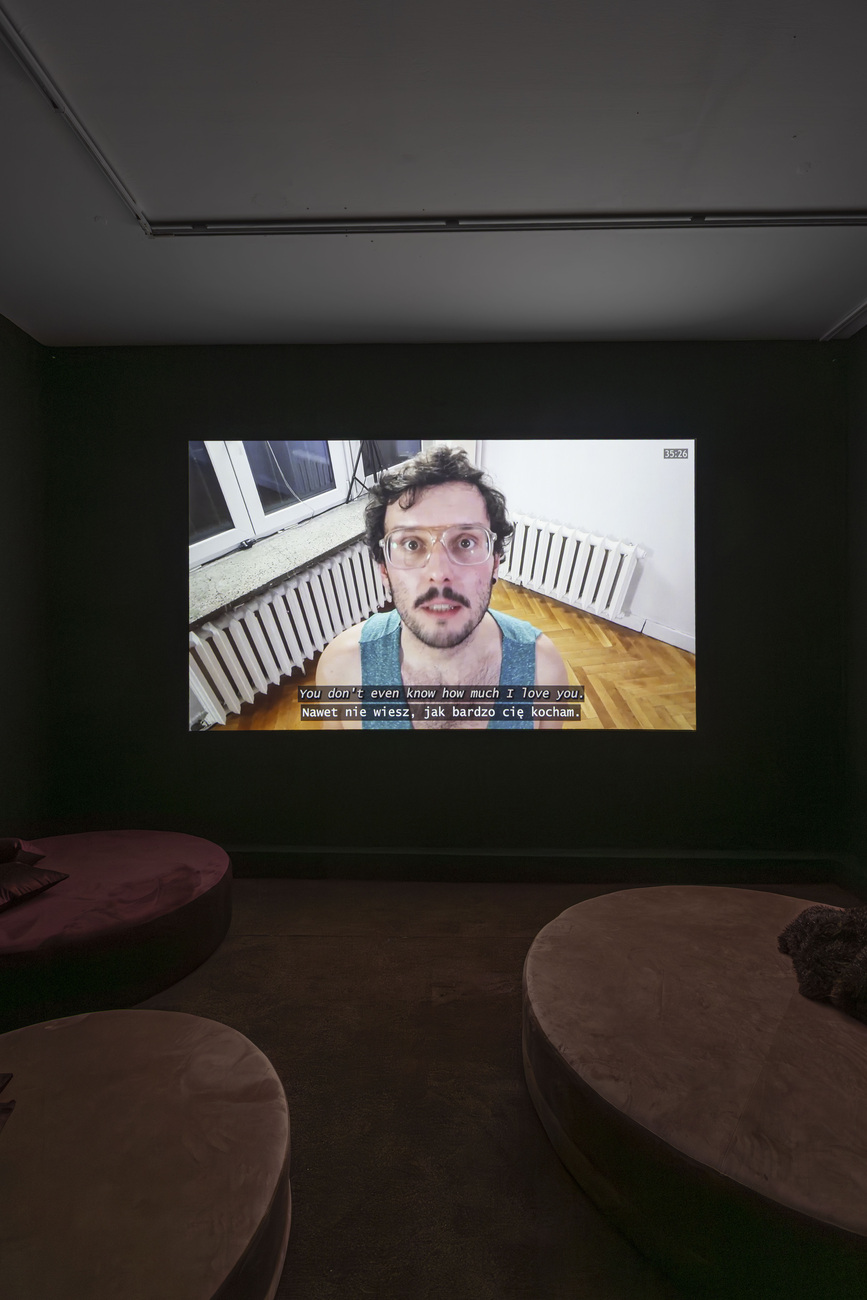
Daddies, kings & sissy boys
Through time and archives, between borders and genders, we emancipate ourselves from the power of the male gaze towards what is unclear, exaggerated, and sensitive.
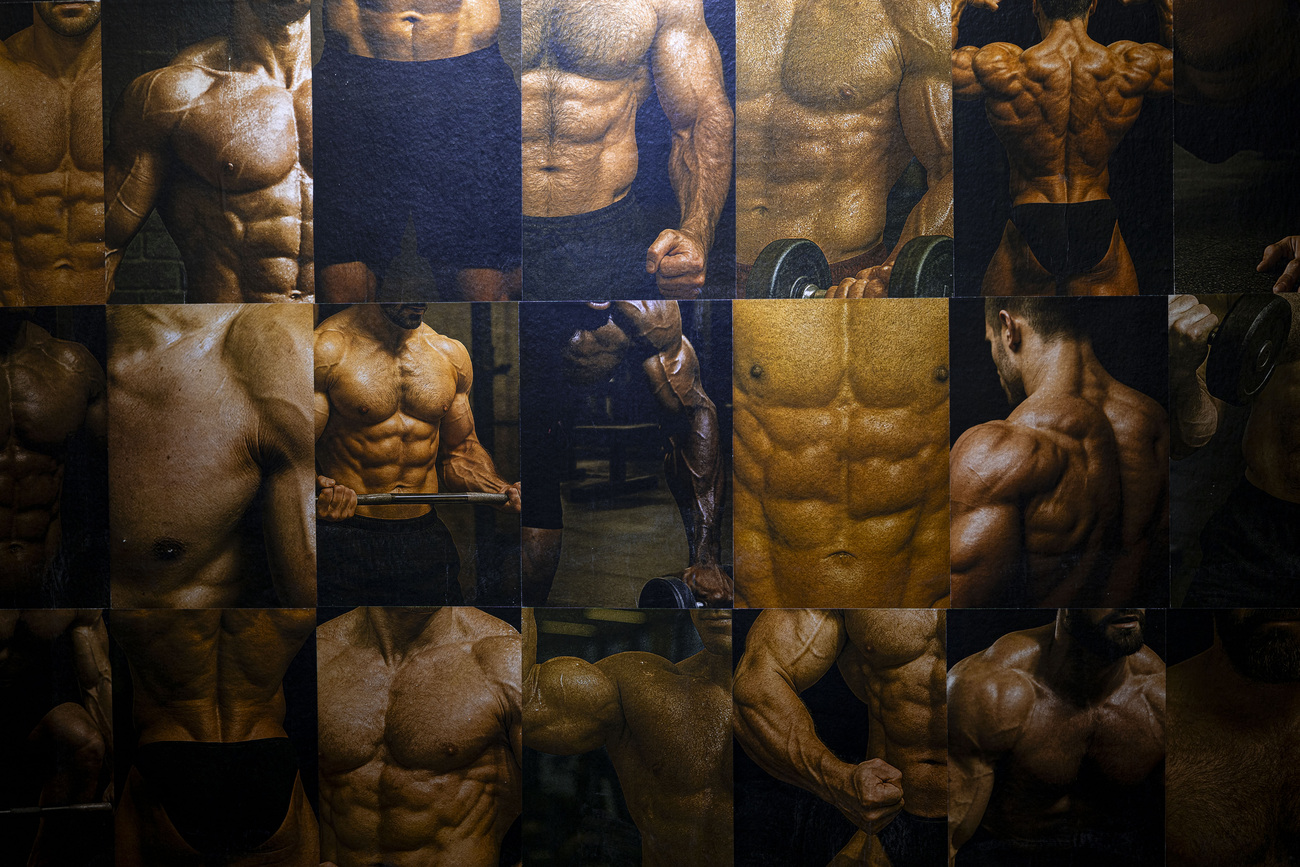
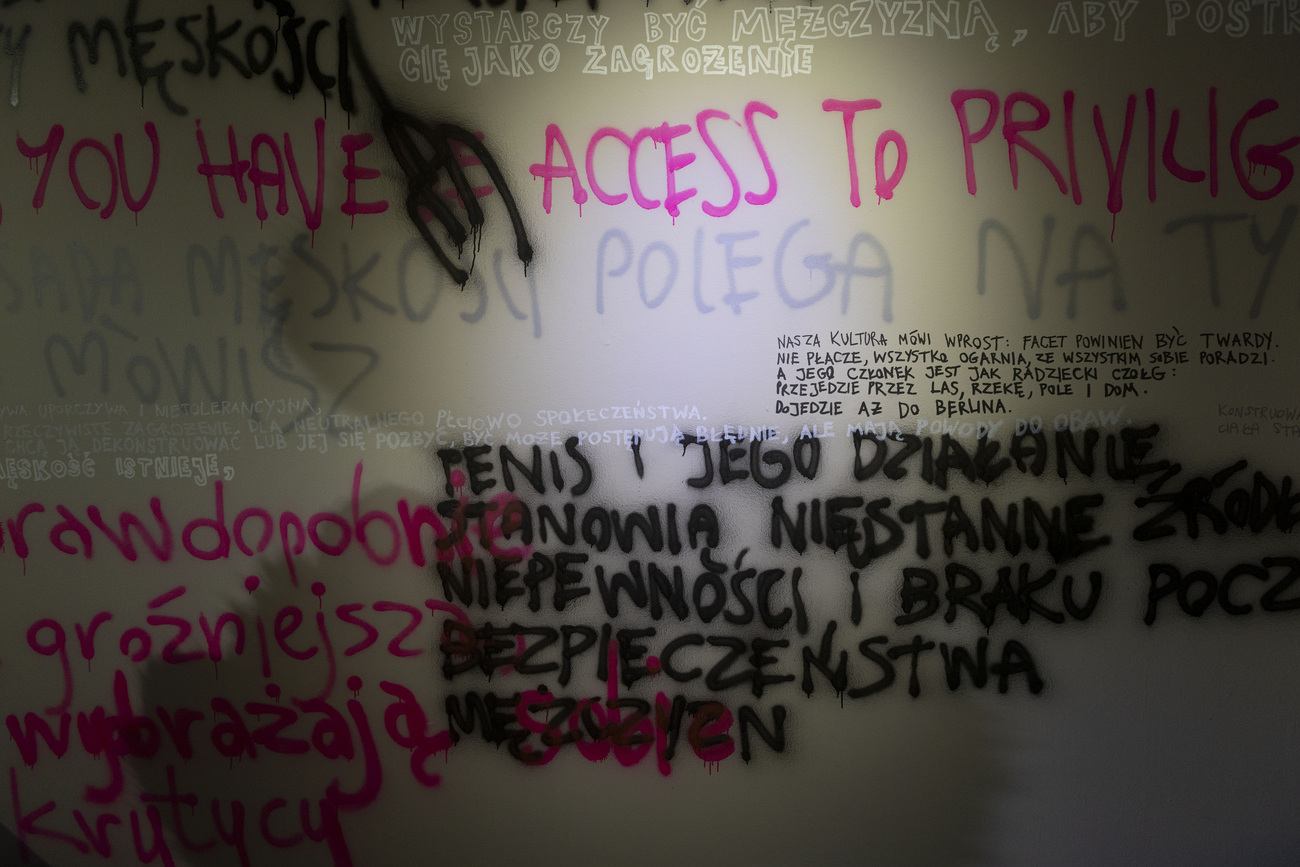
In a patriarchal system, the heir to all wisdom and empowerment remains the white, heterosexual cisgender man. This fact, which has remained unchanged to date, is the starting point for reflections on masculinities that are equally real and true, yet excluded from the mainstream. What could “real” men learn from people whom they deny masculinity? And why should masculinity belong exclusively to the former?
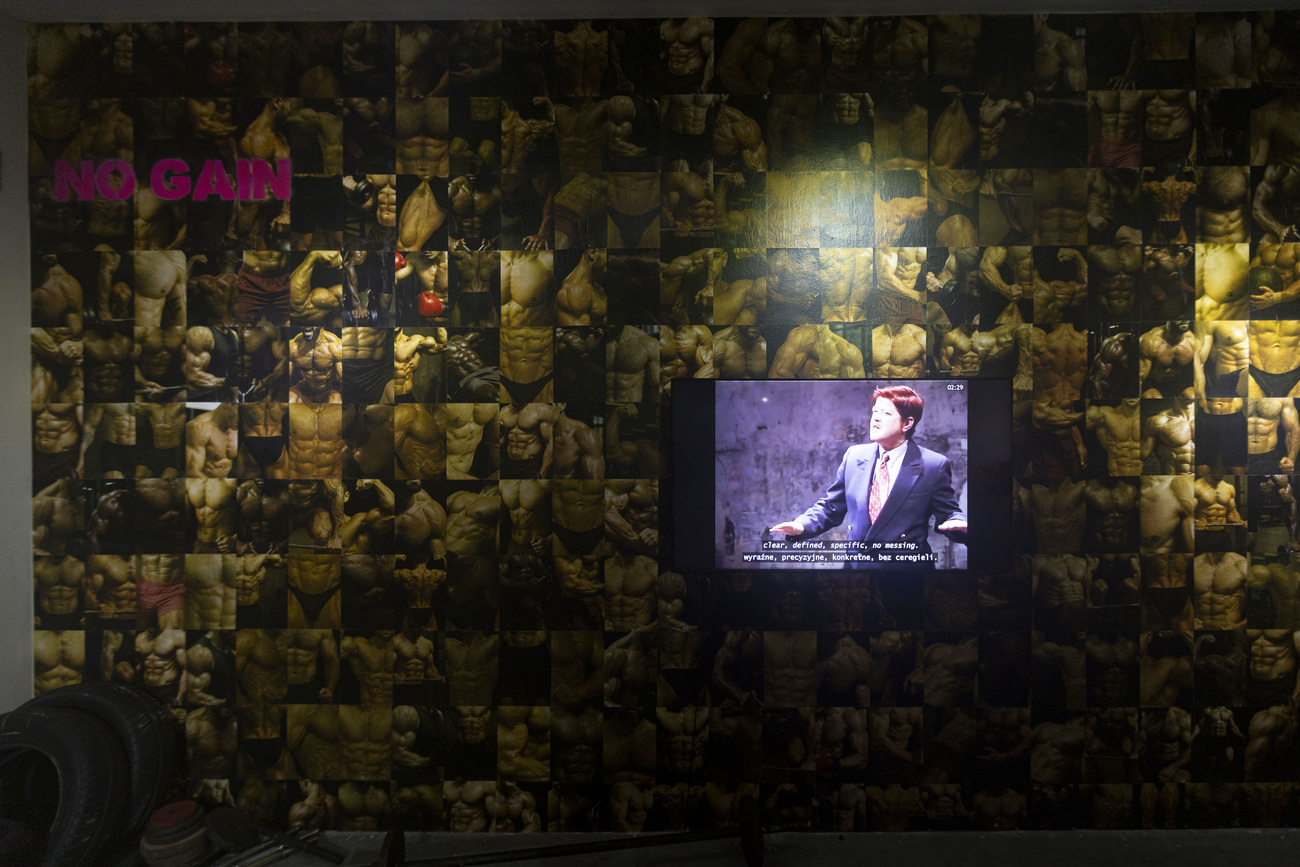
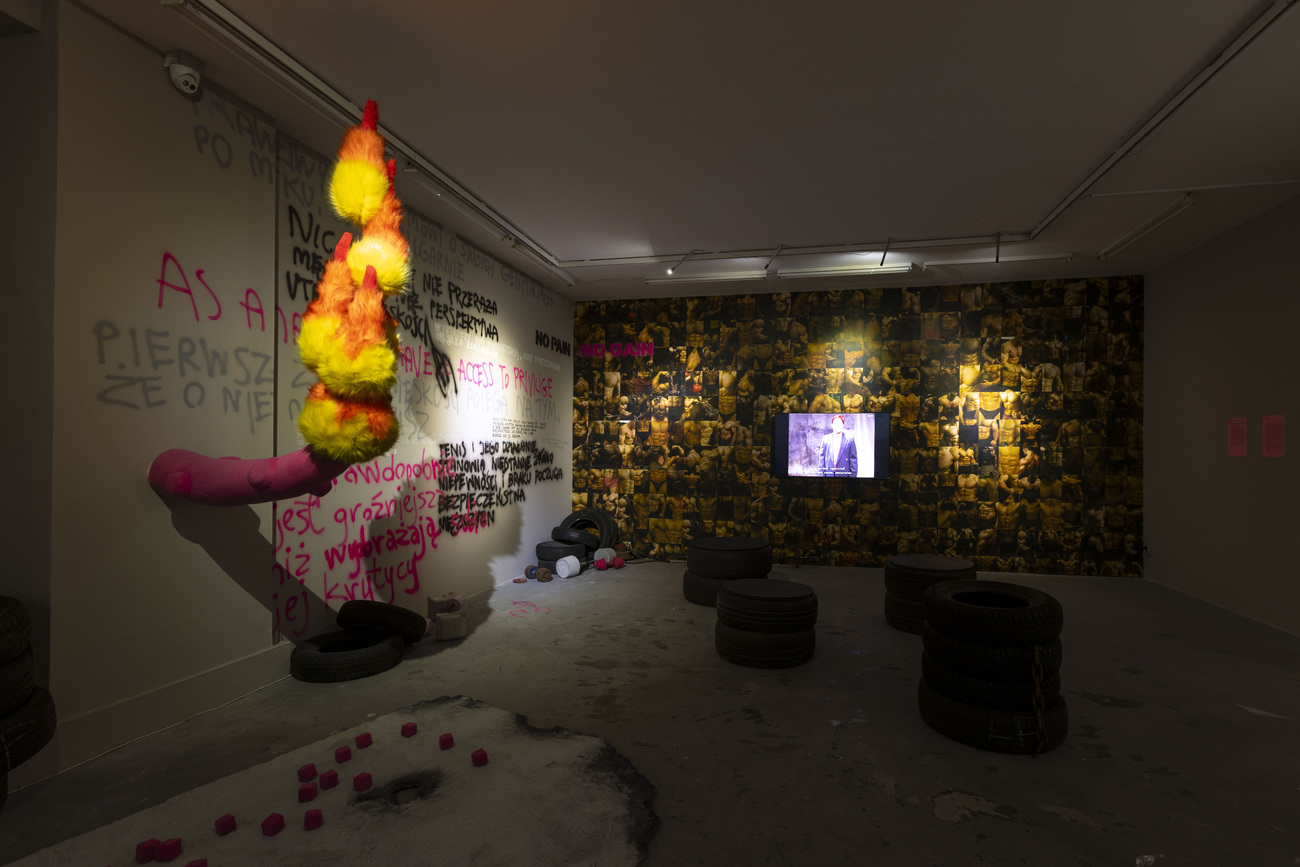
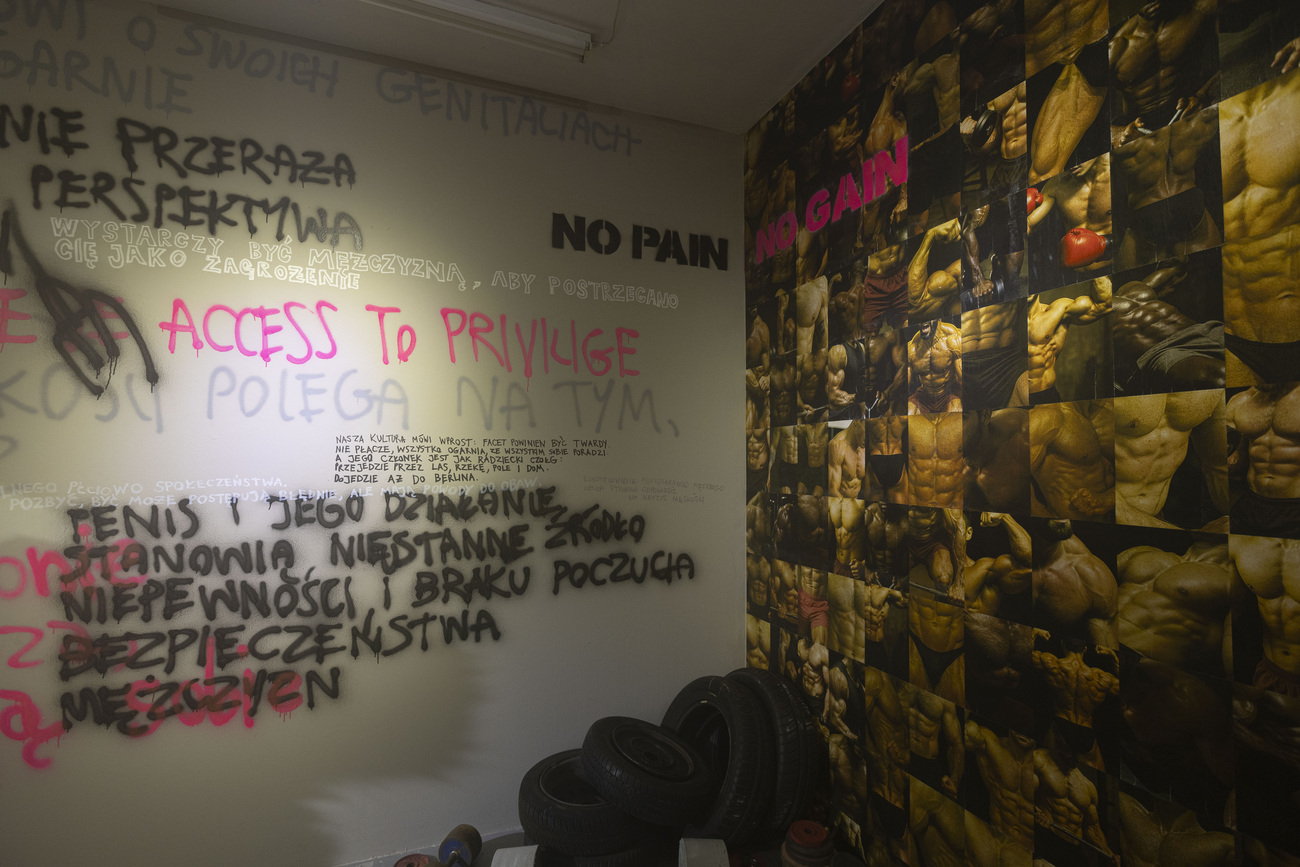
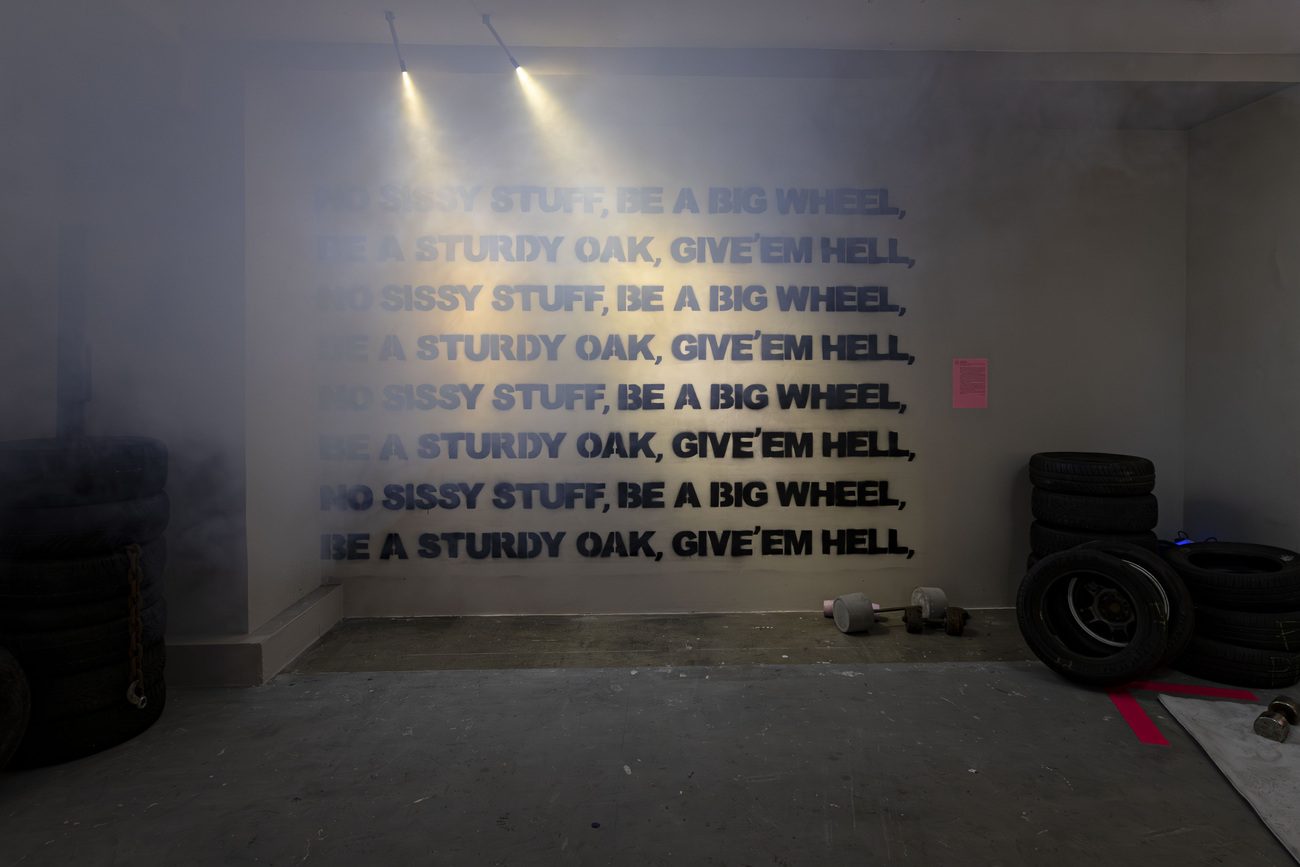
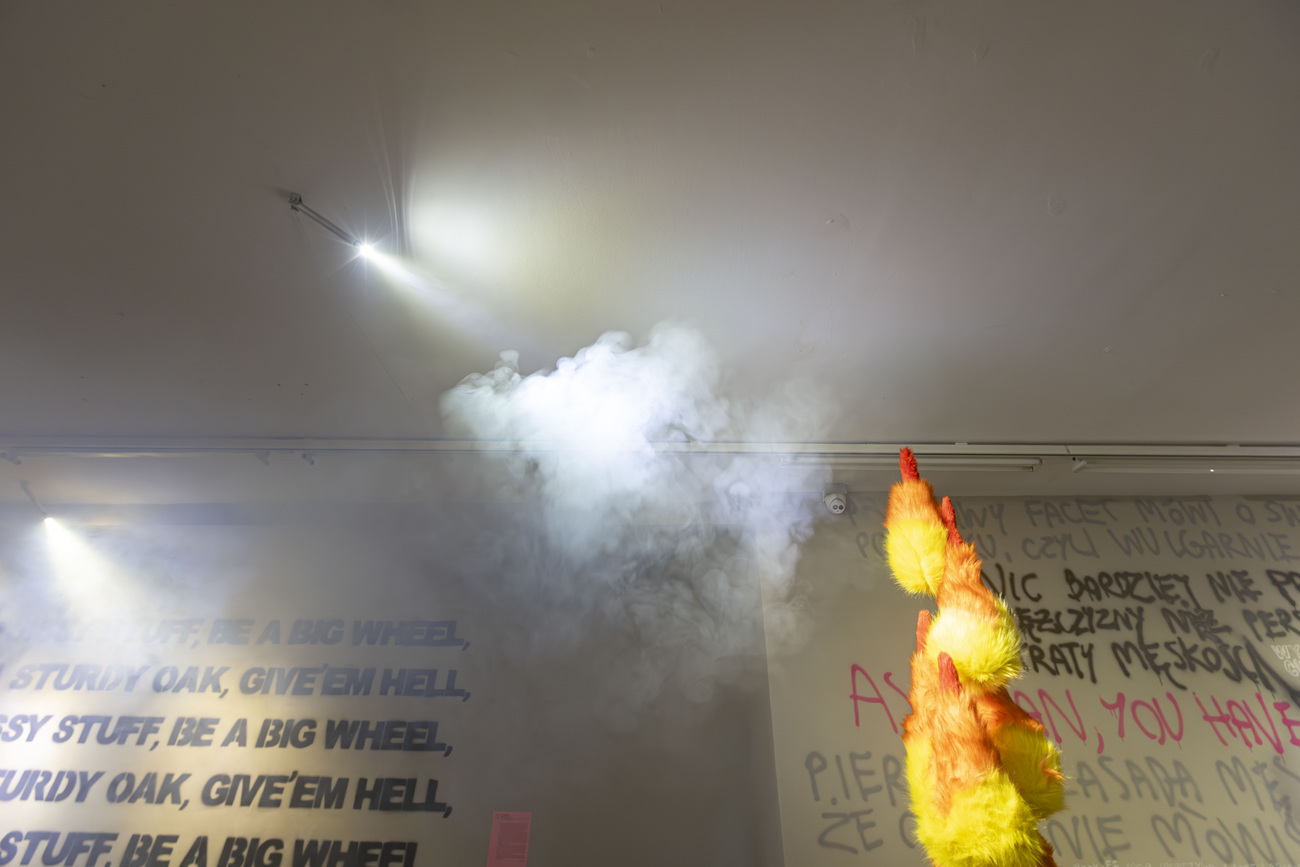
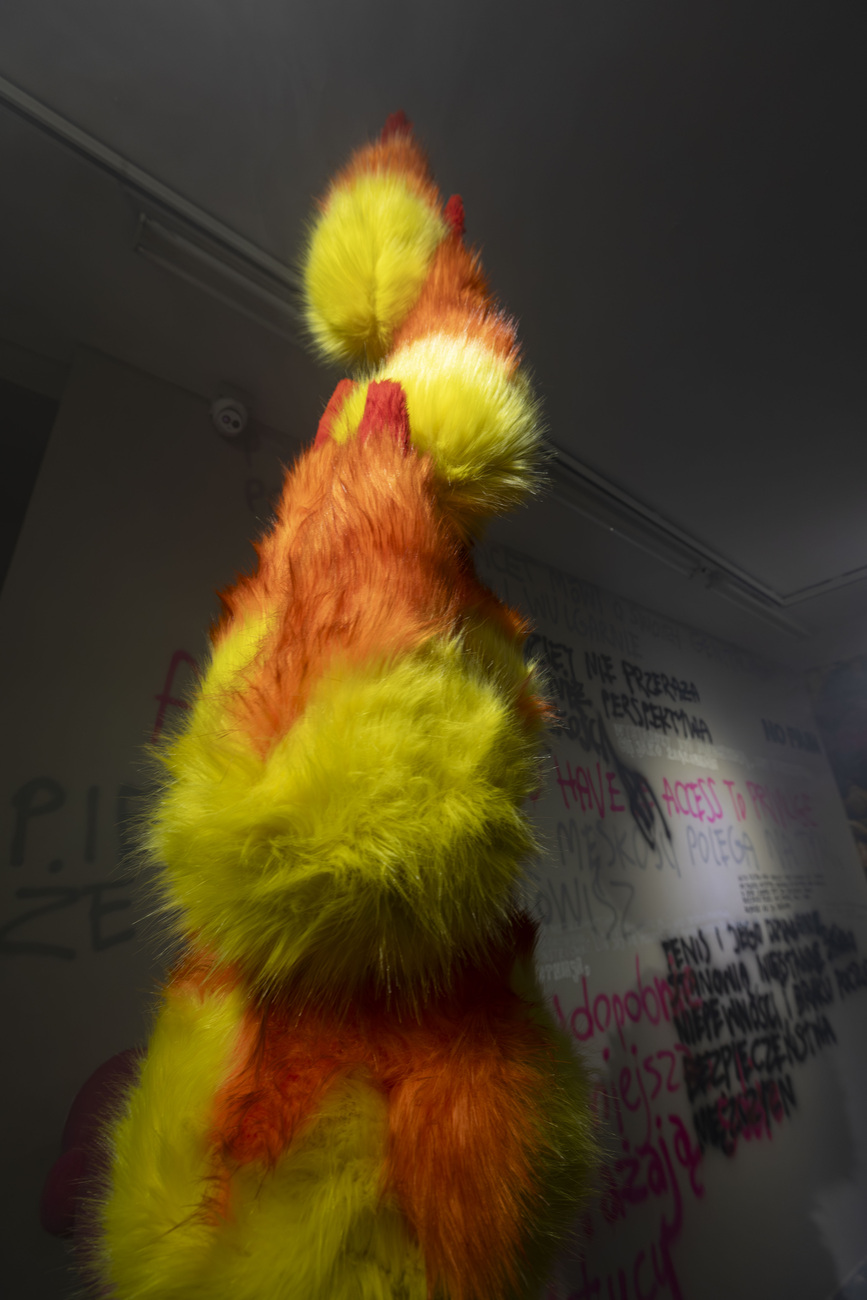
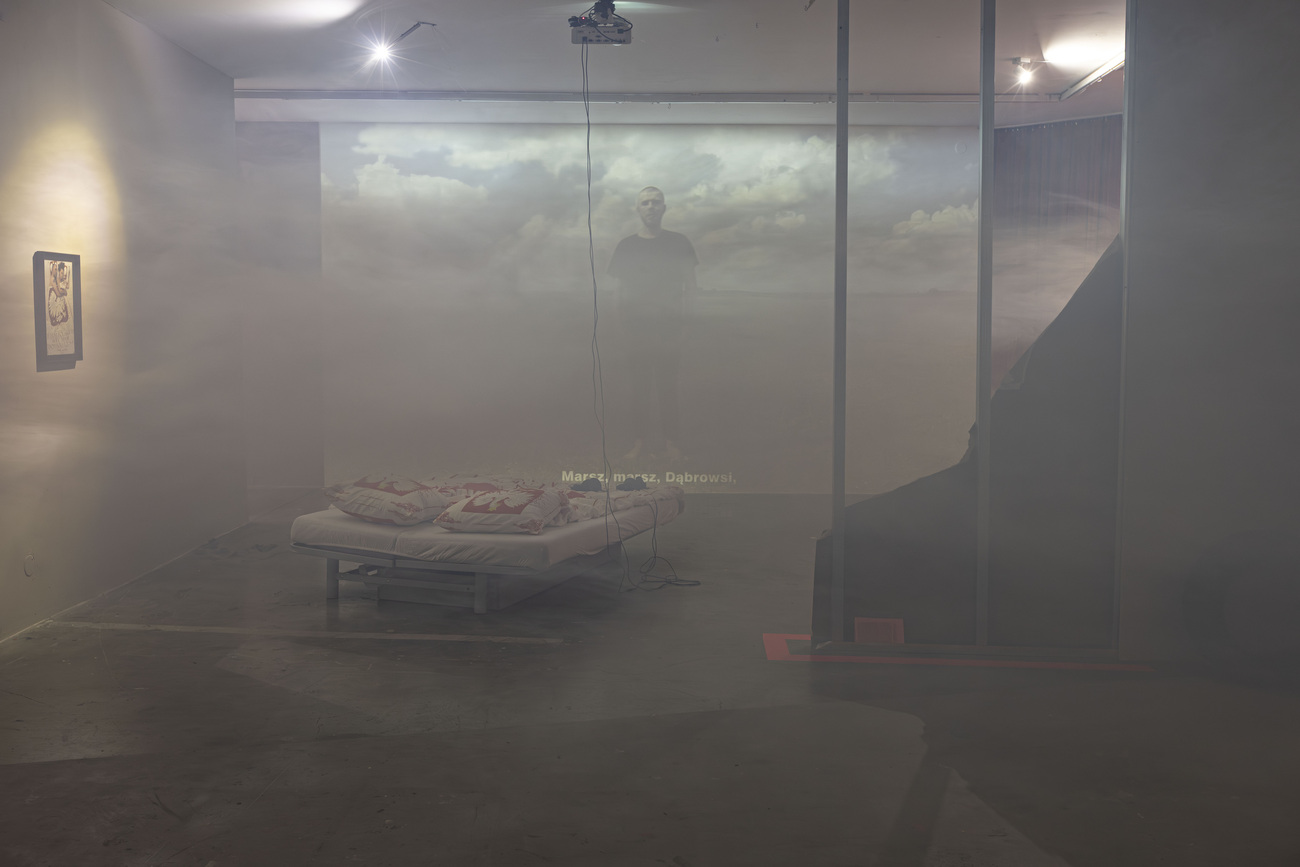
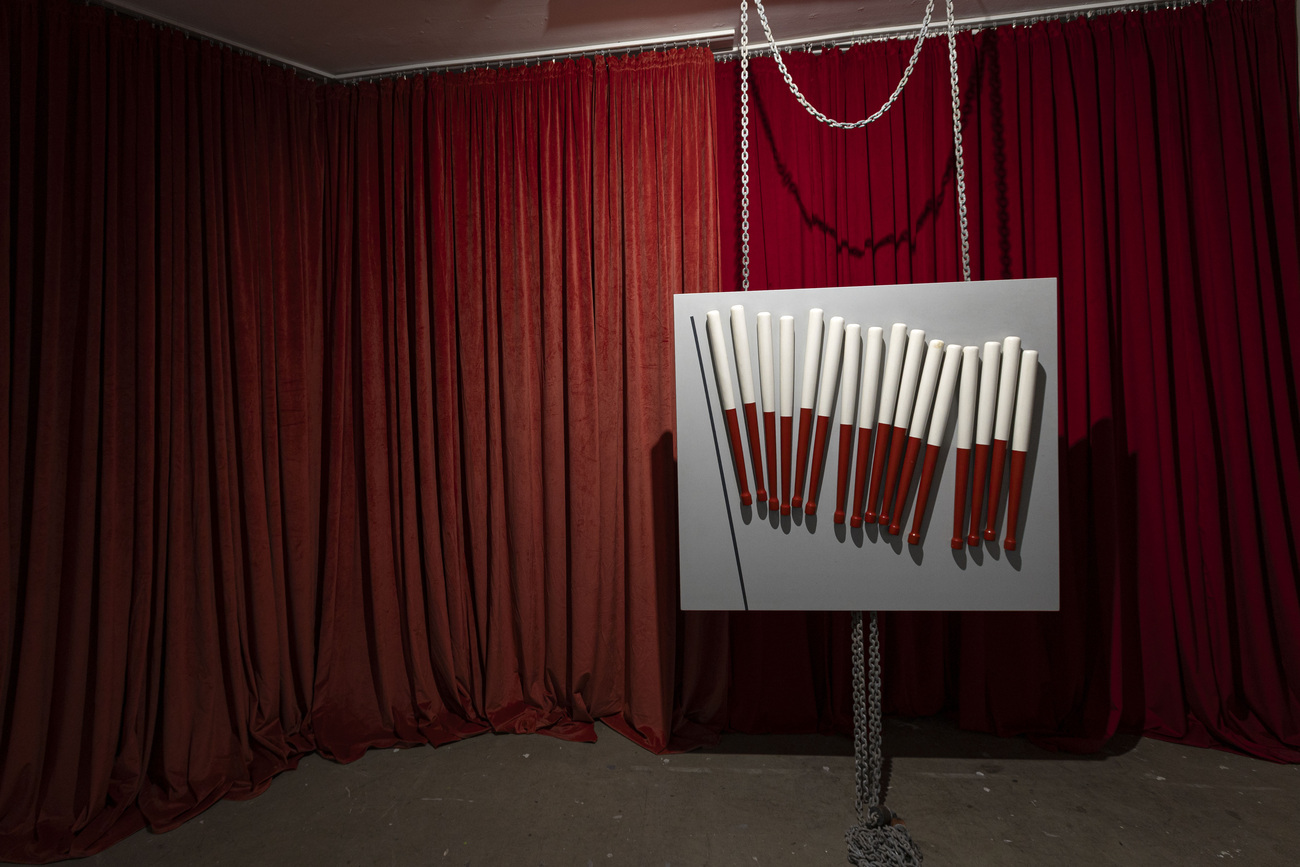
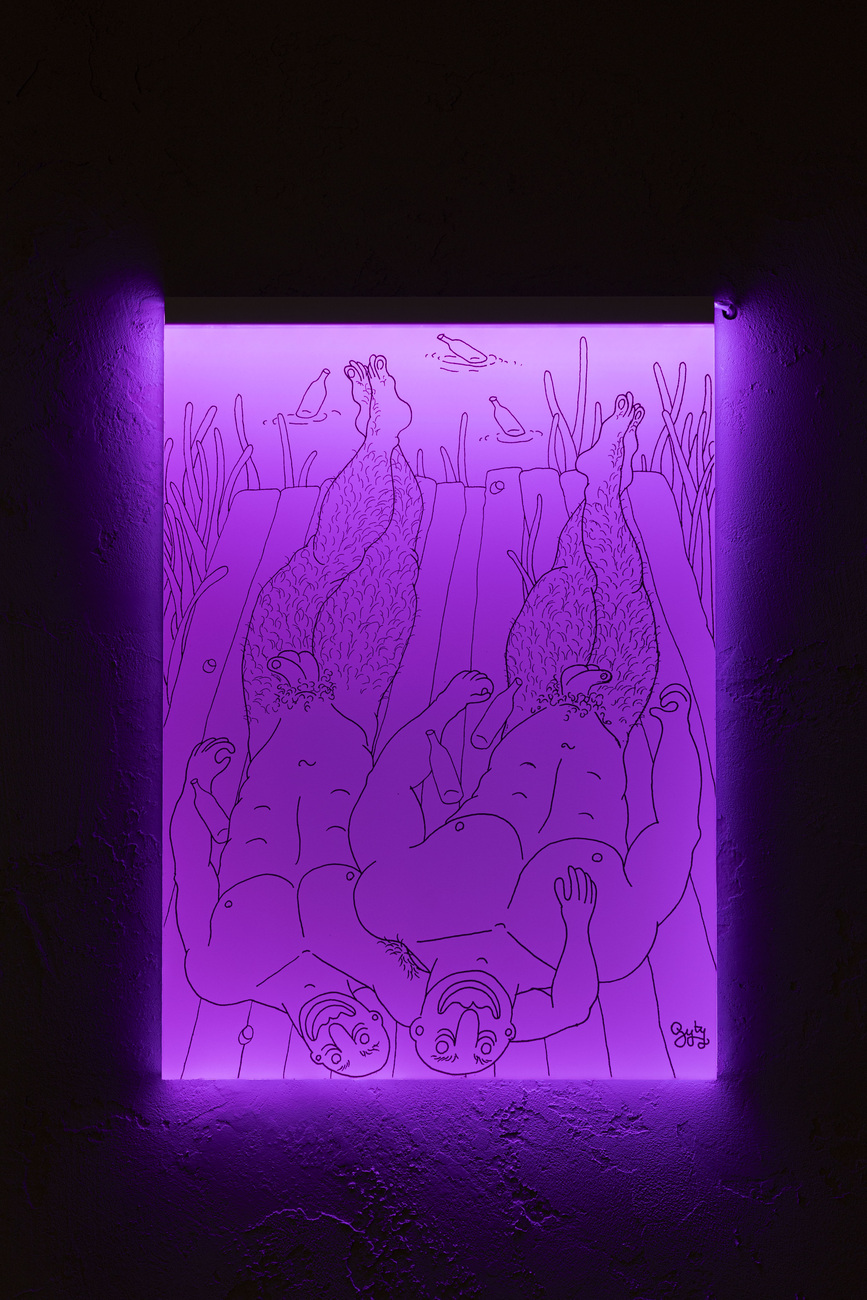
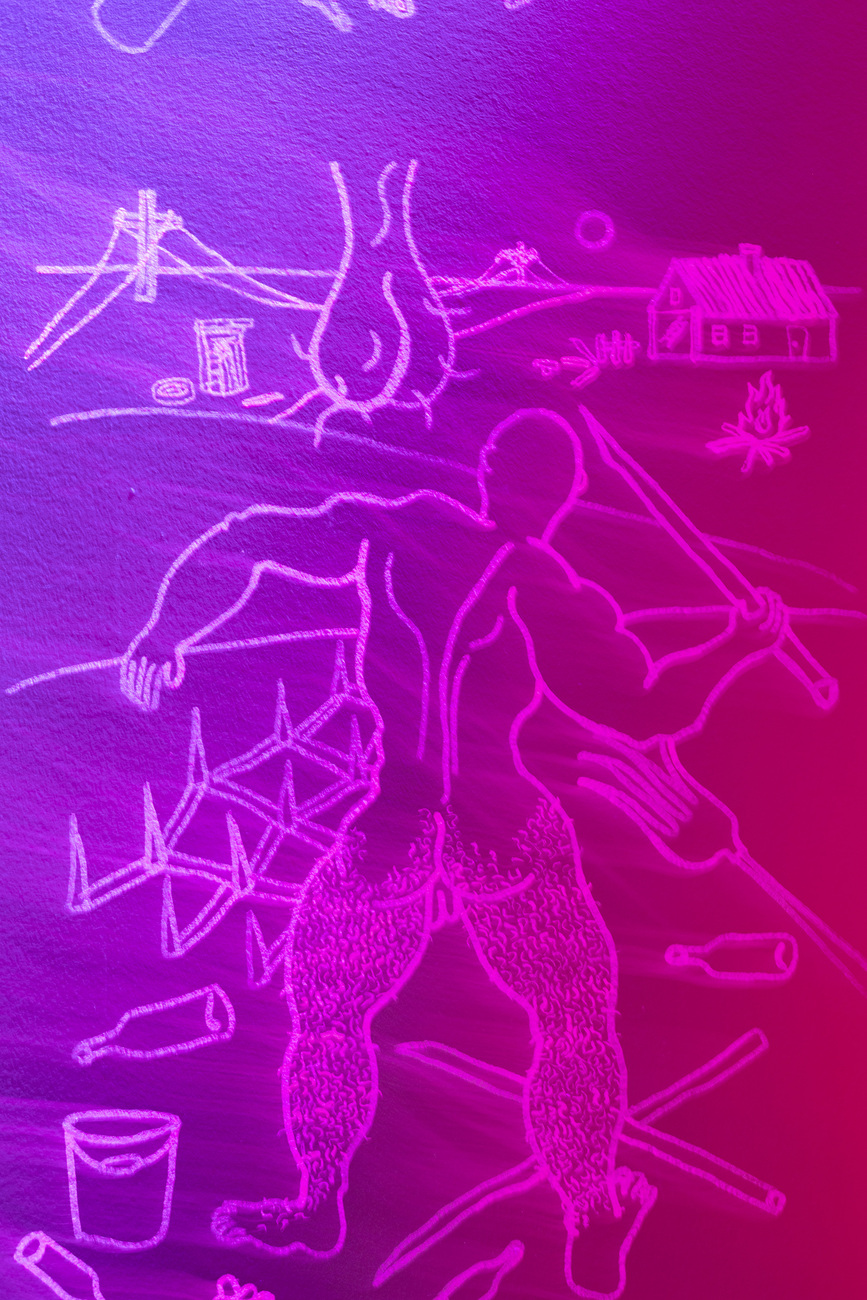
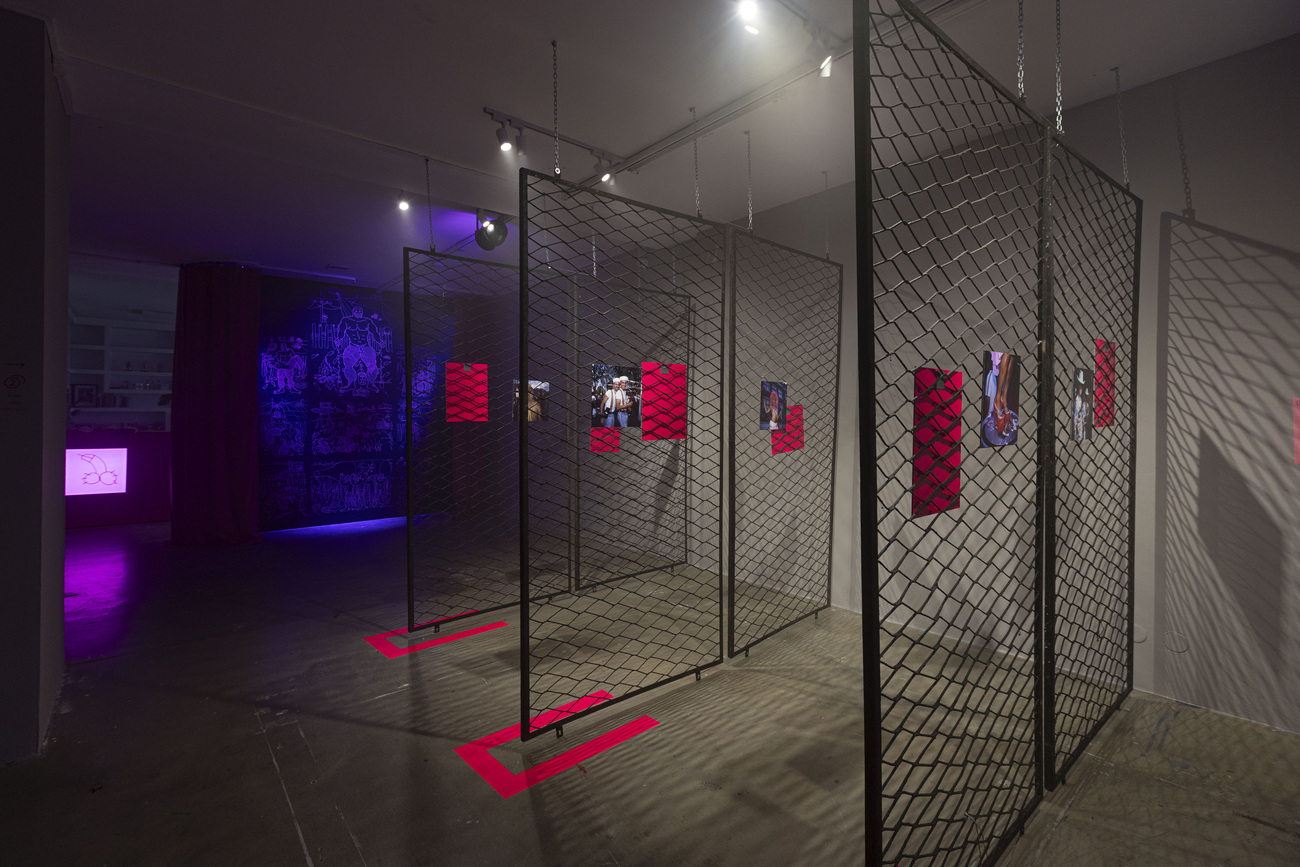
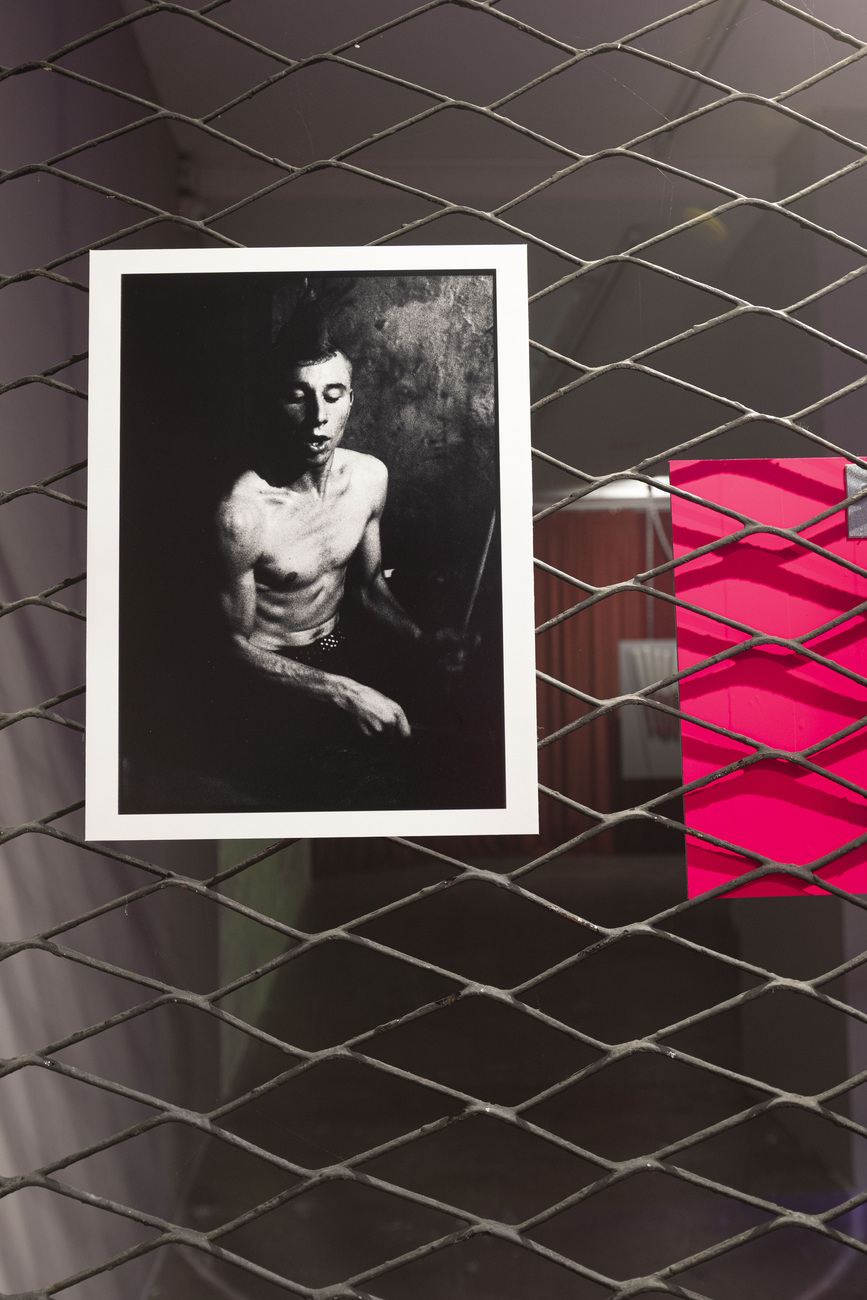
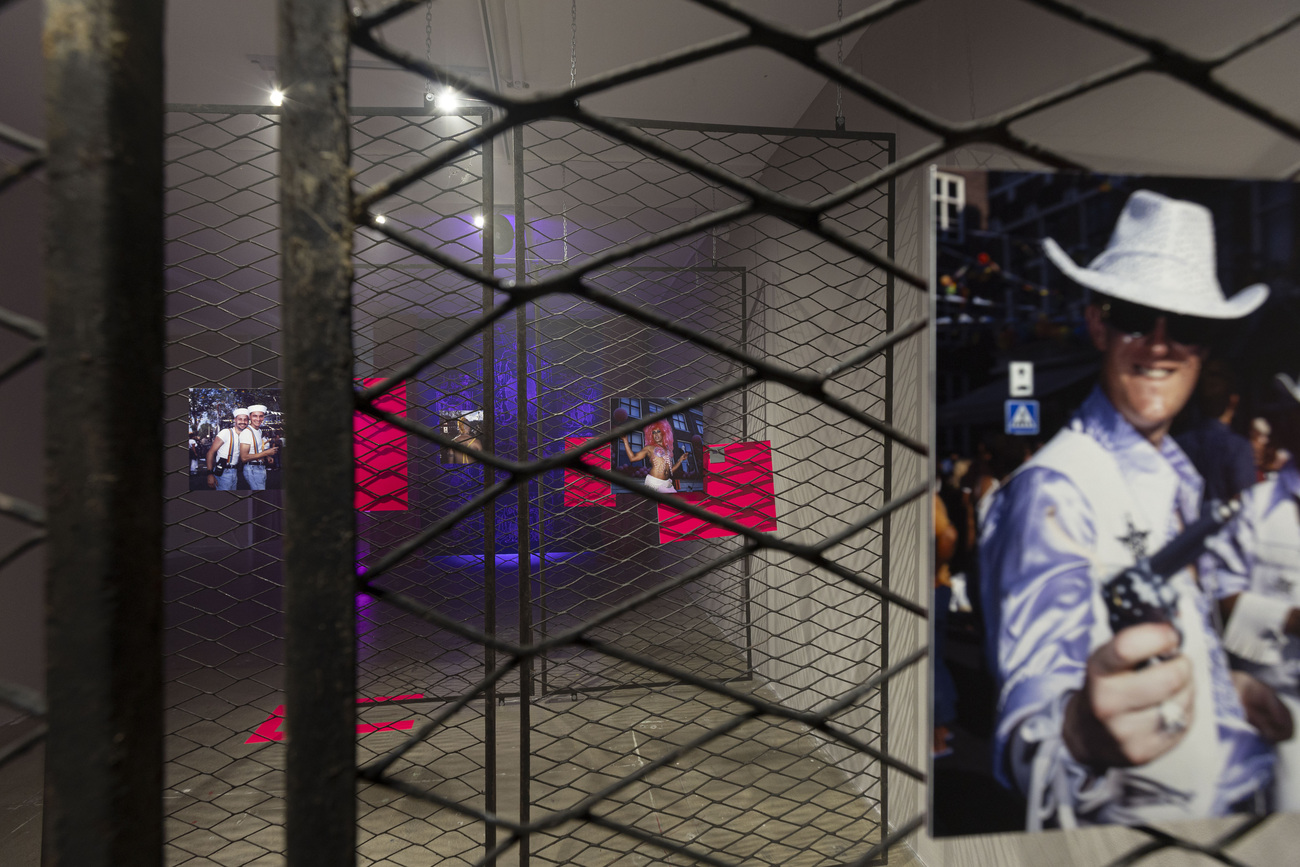
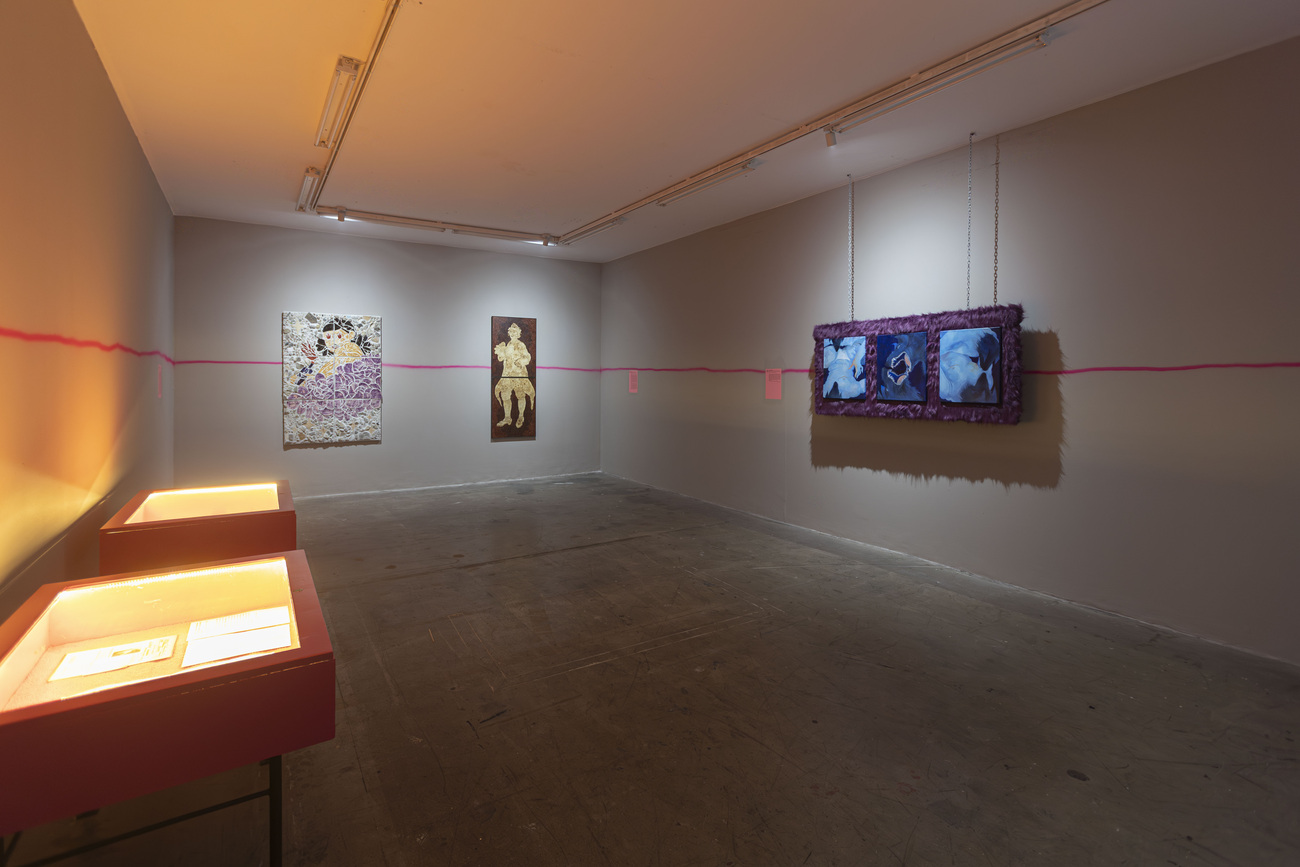
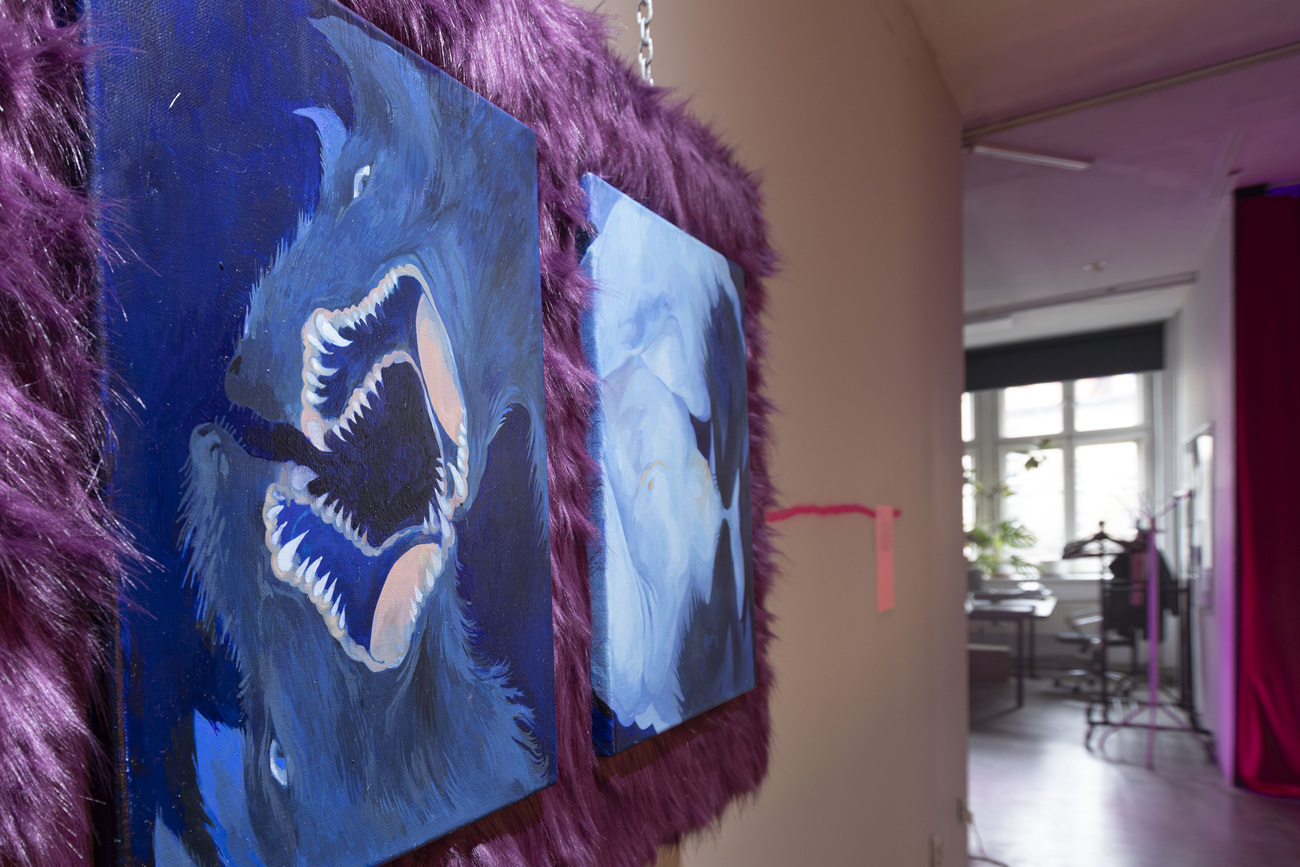
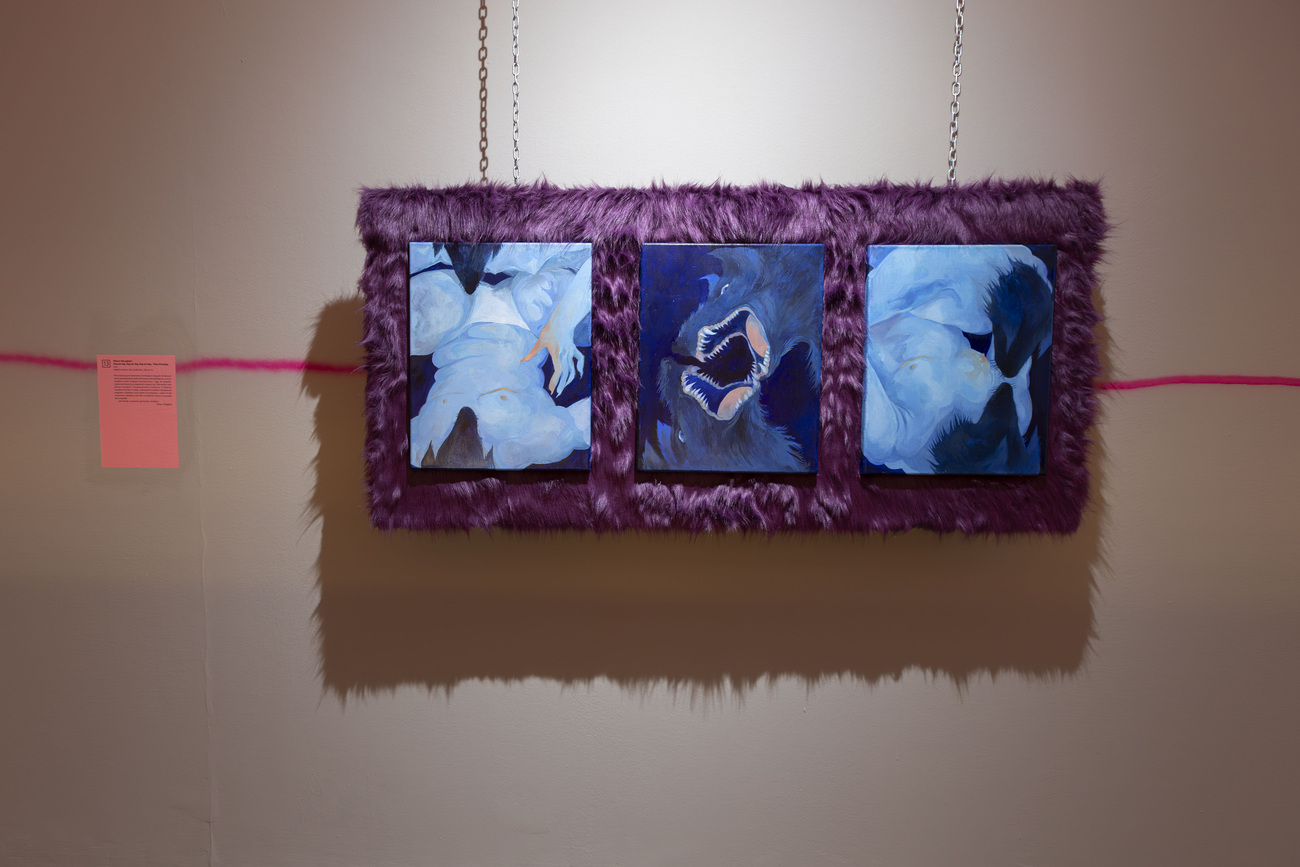
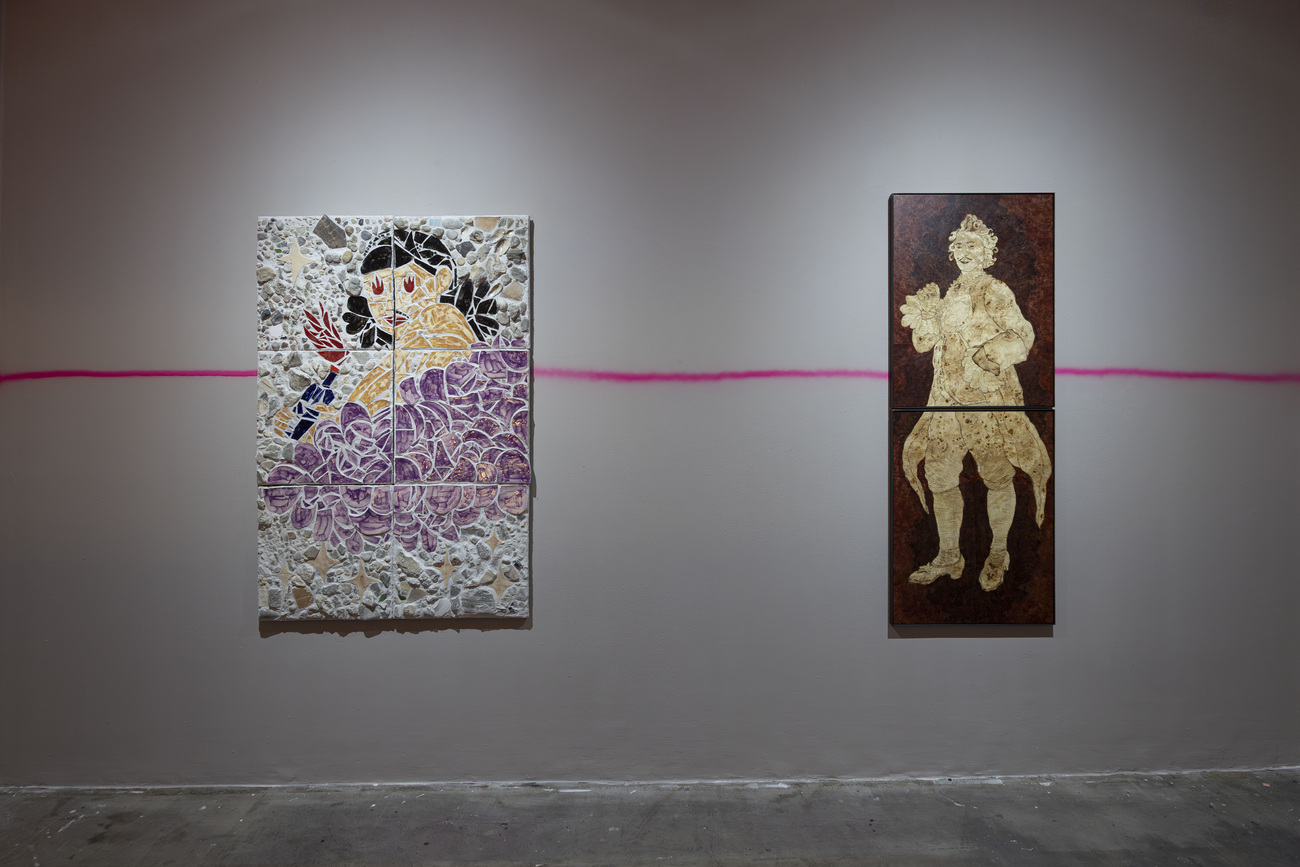
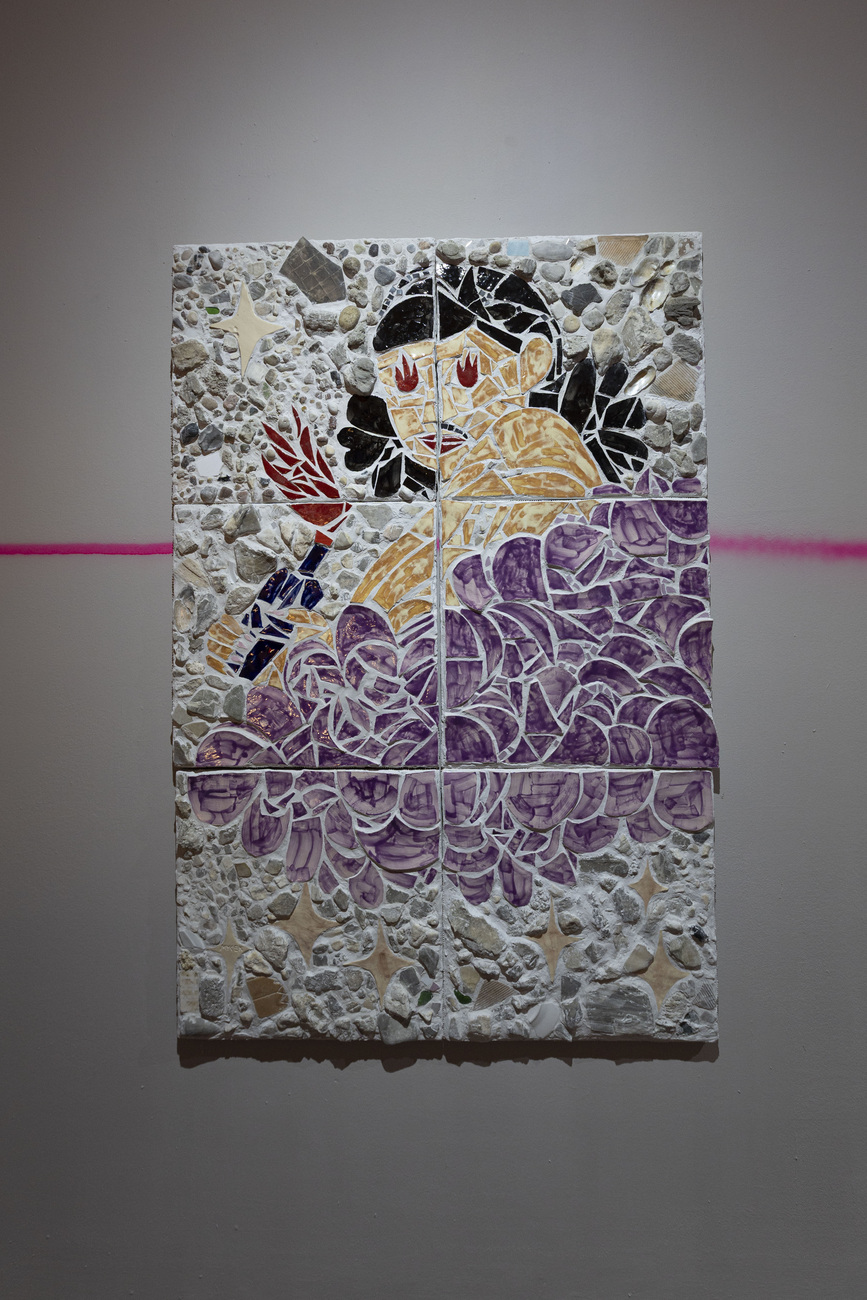
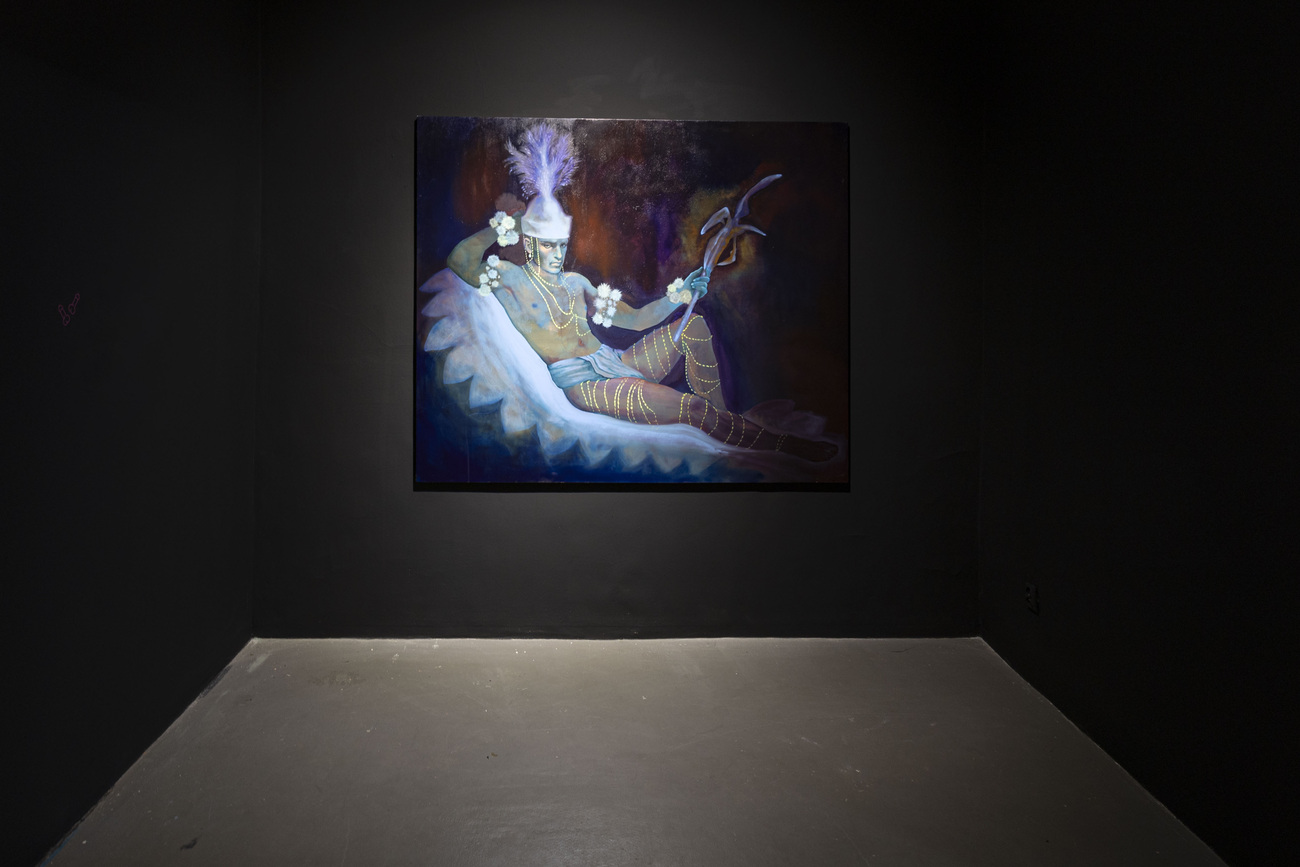
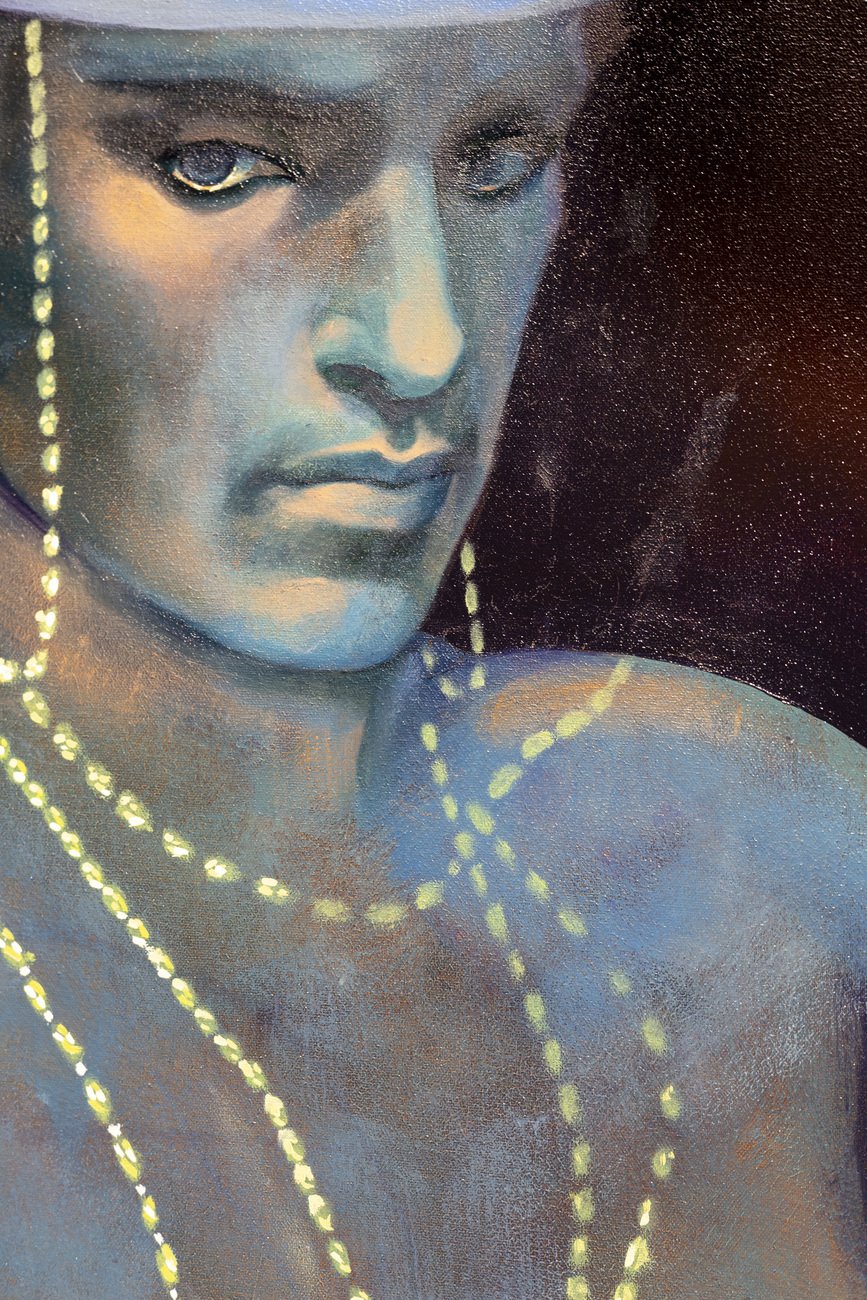
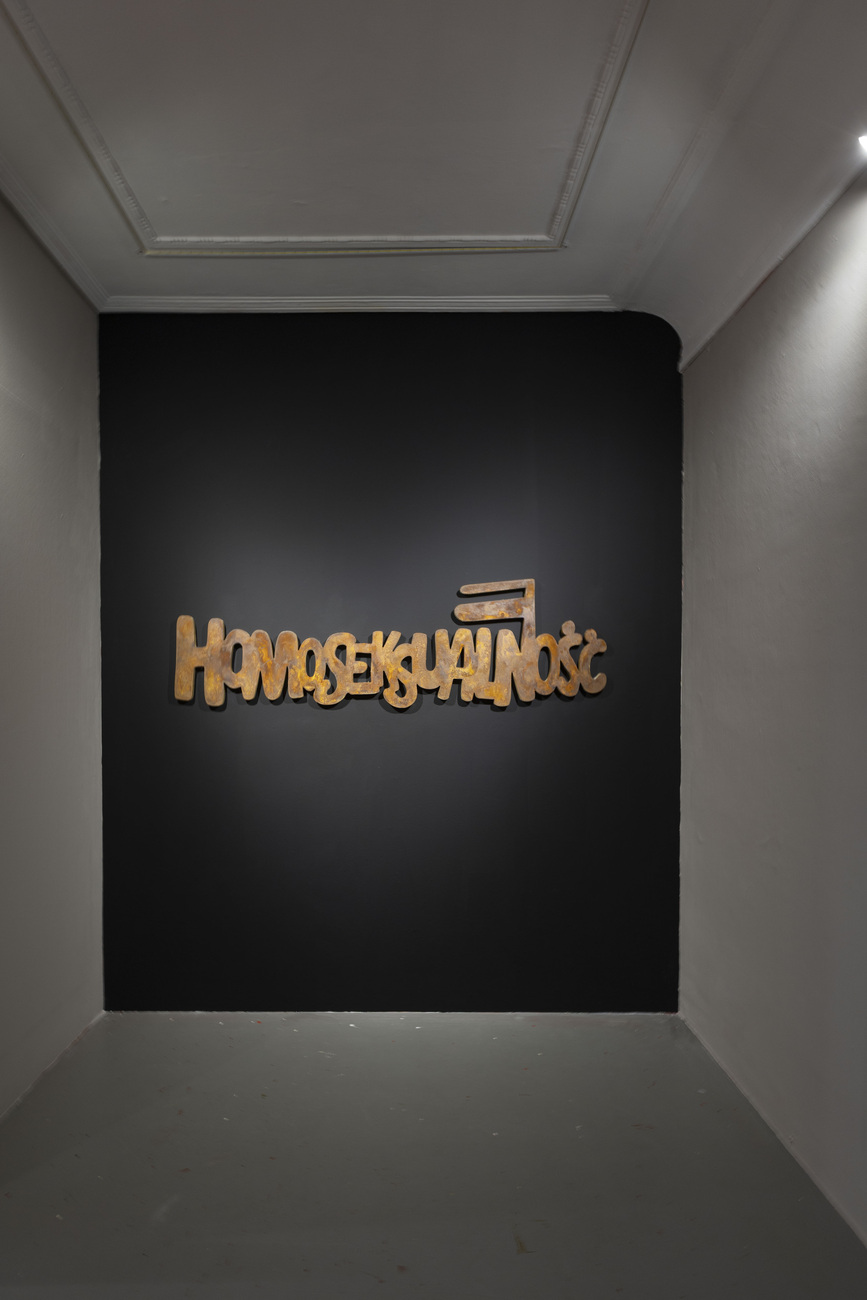
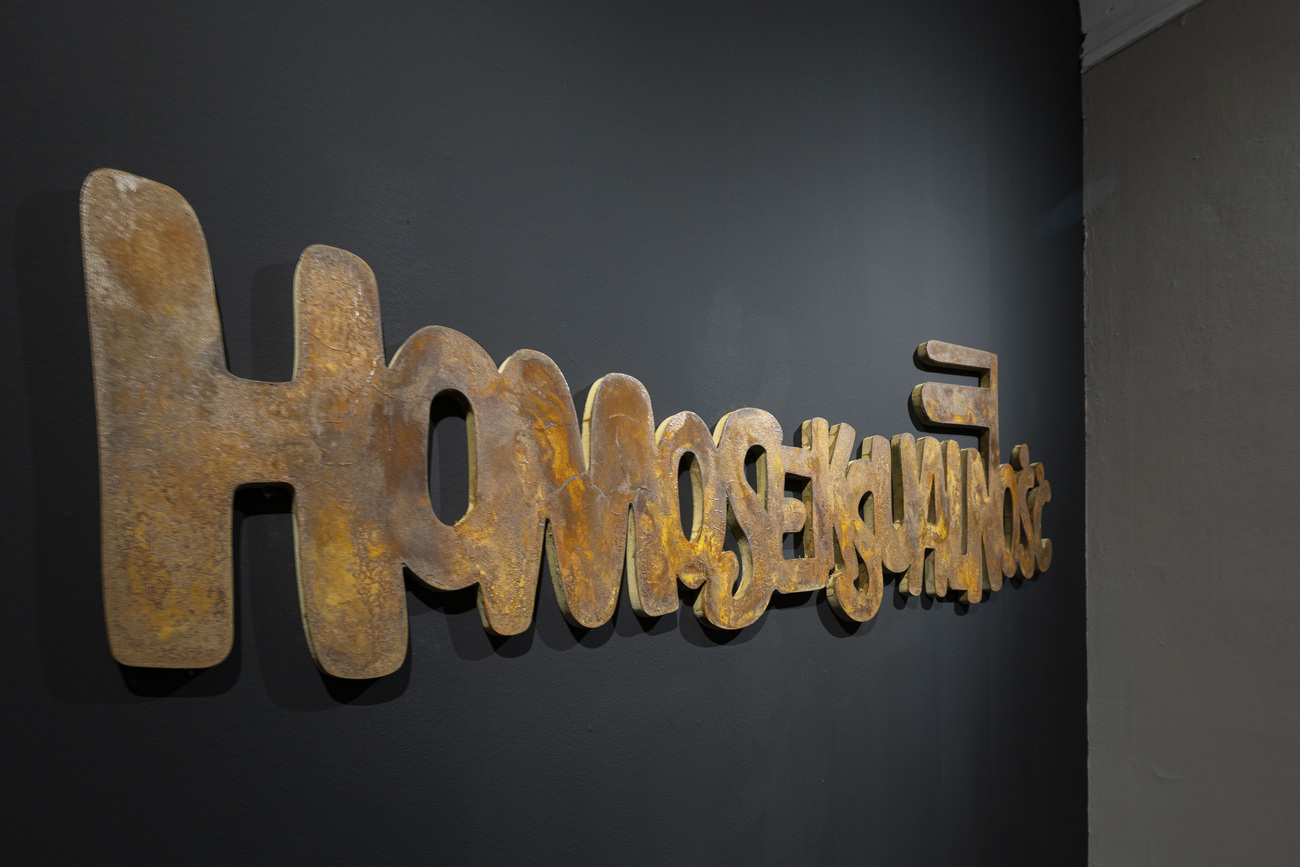
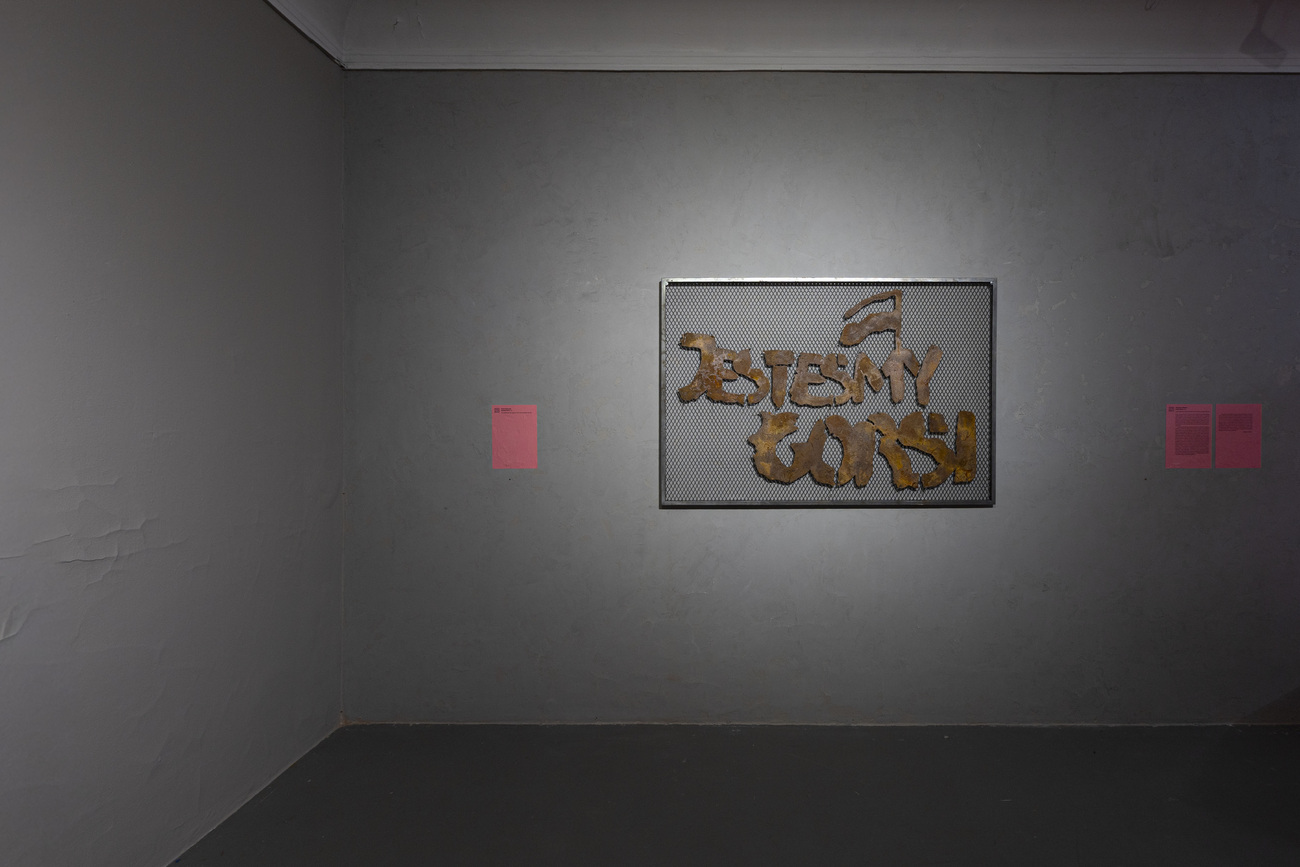
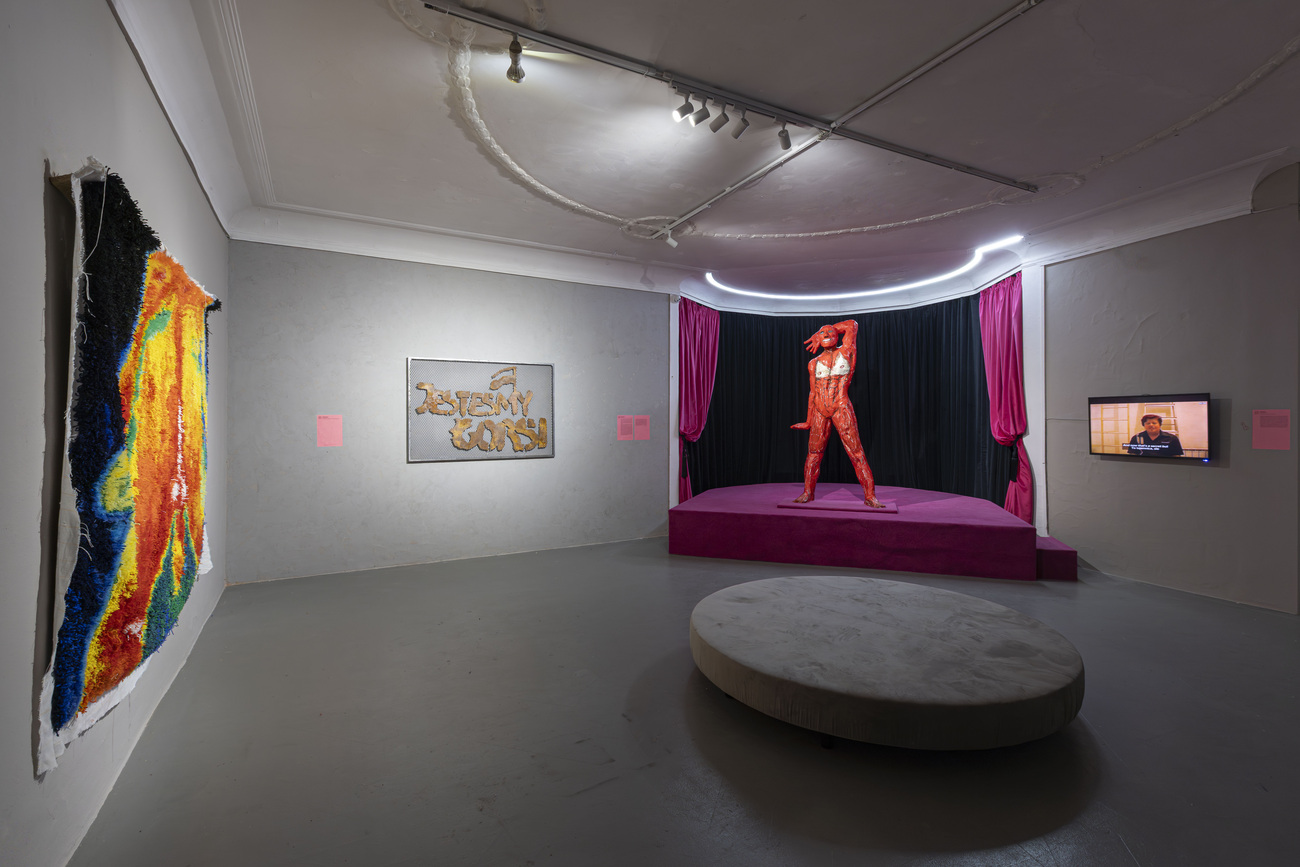
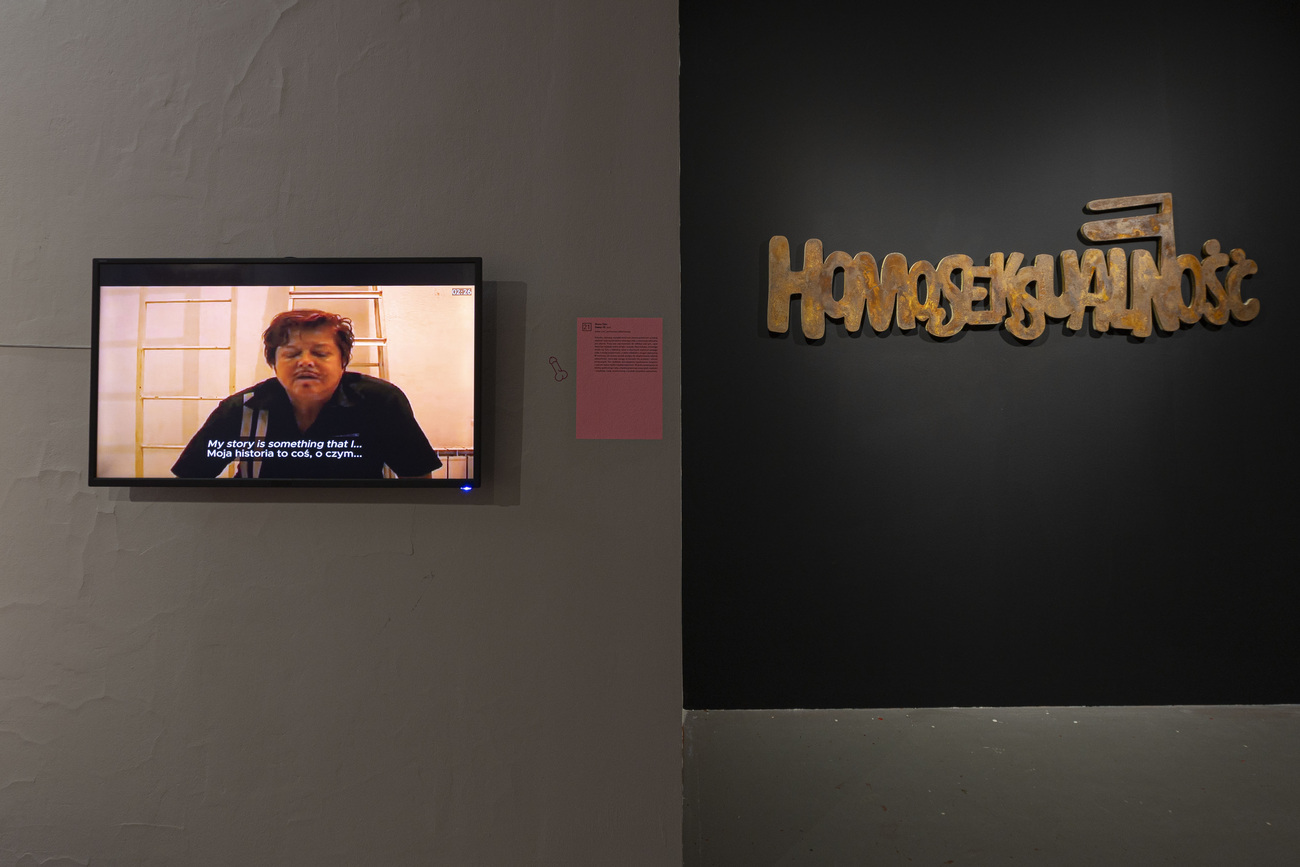
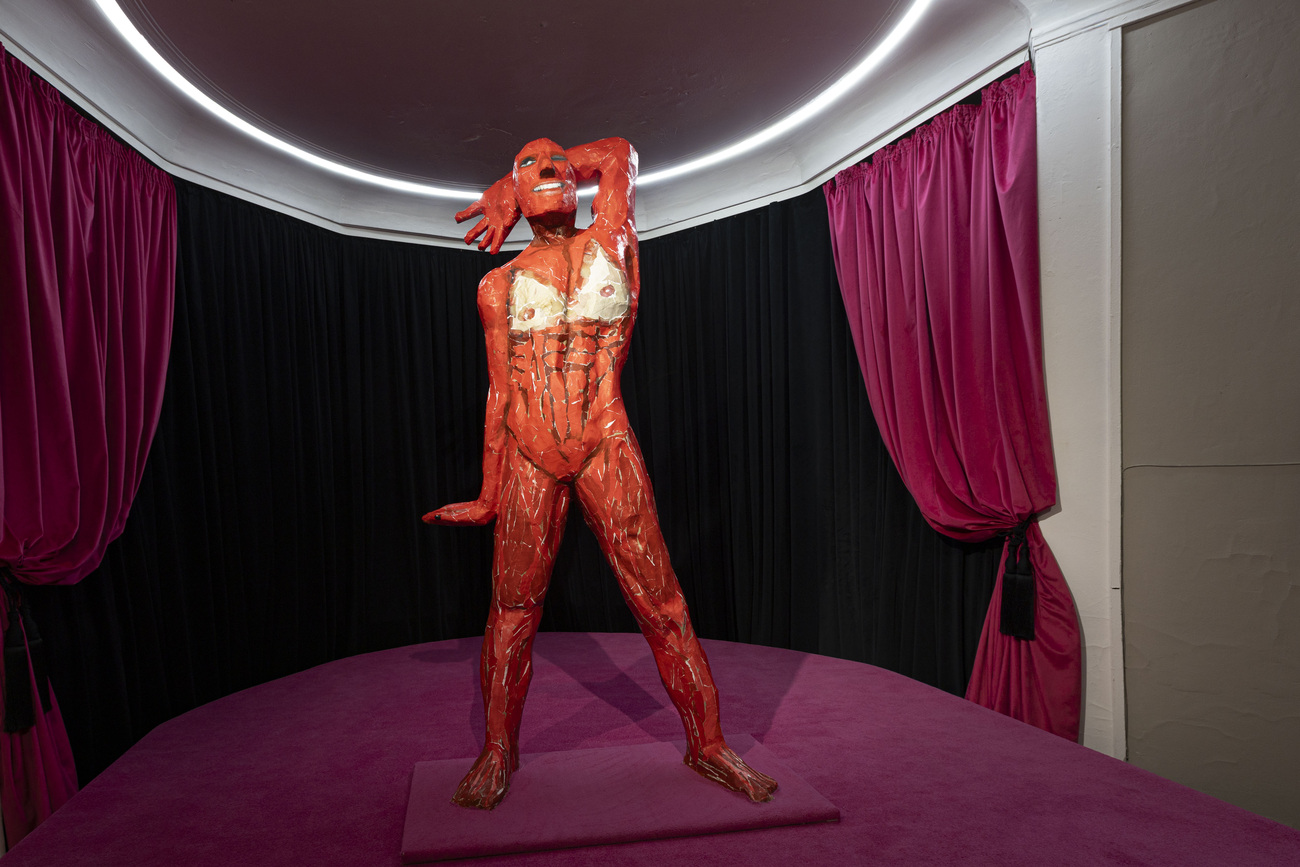
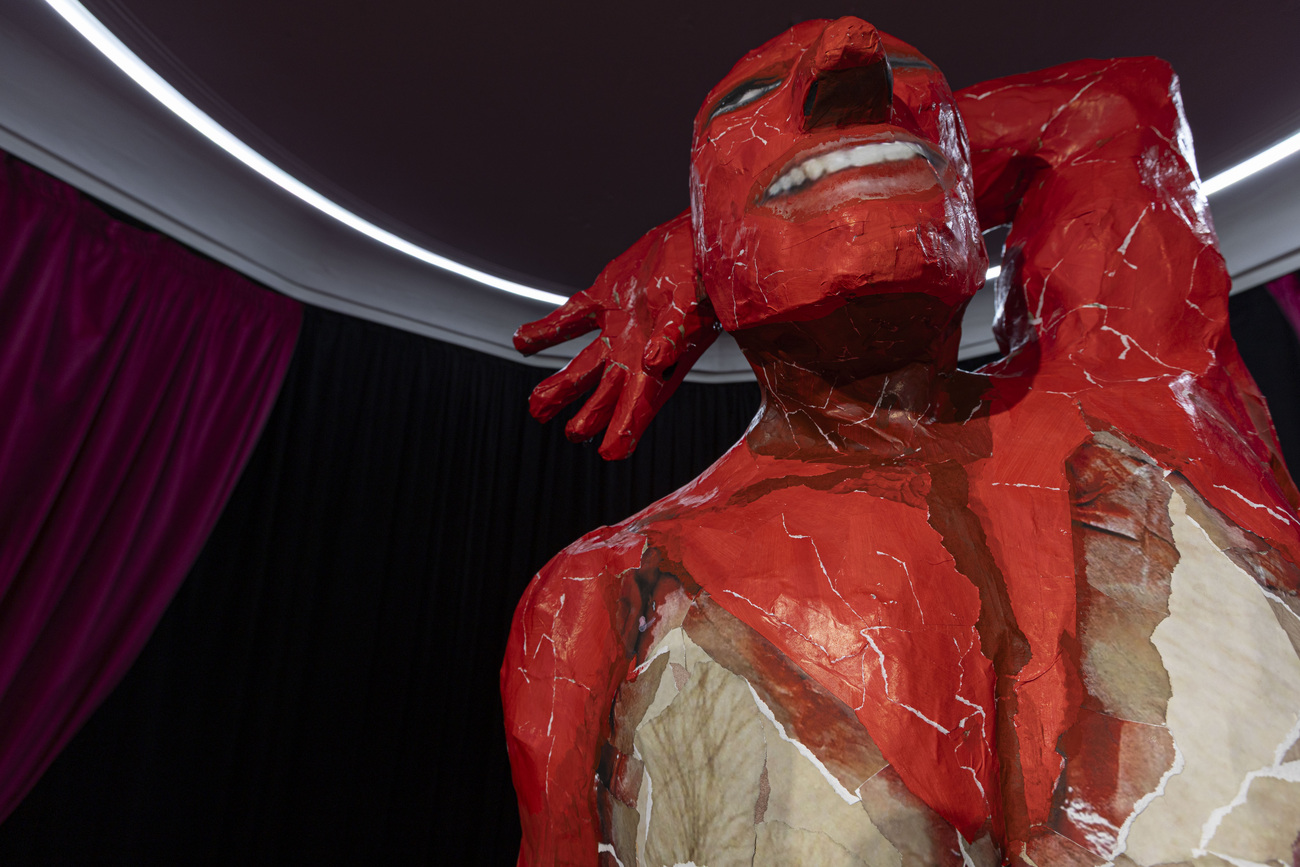
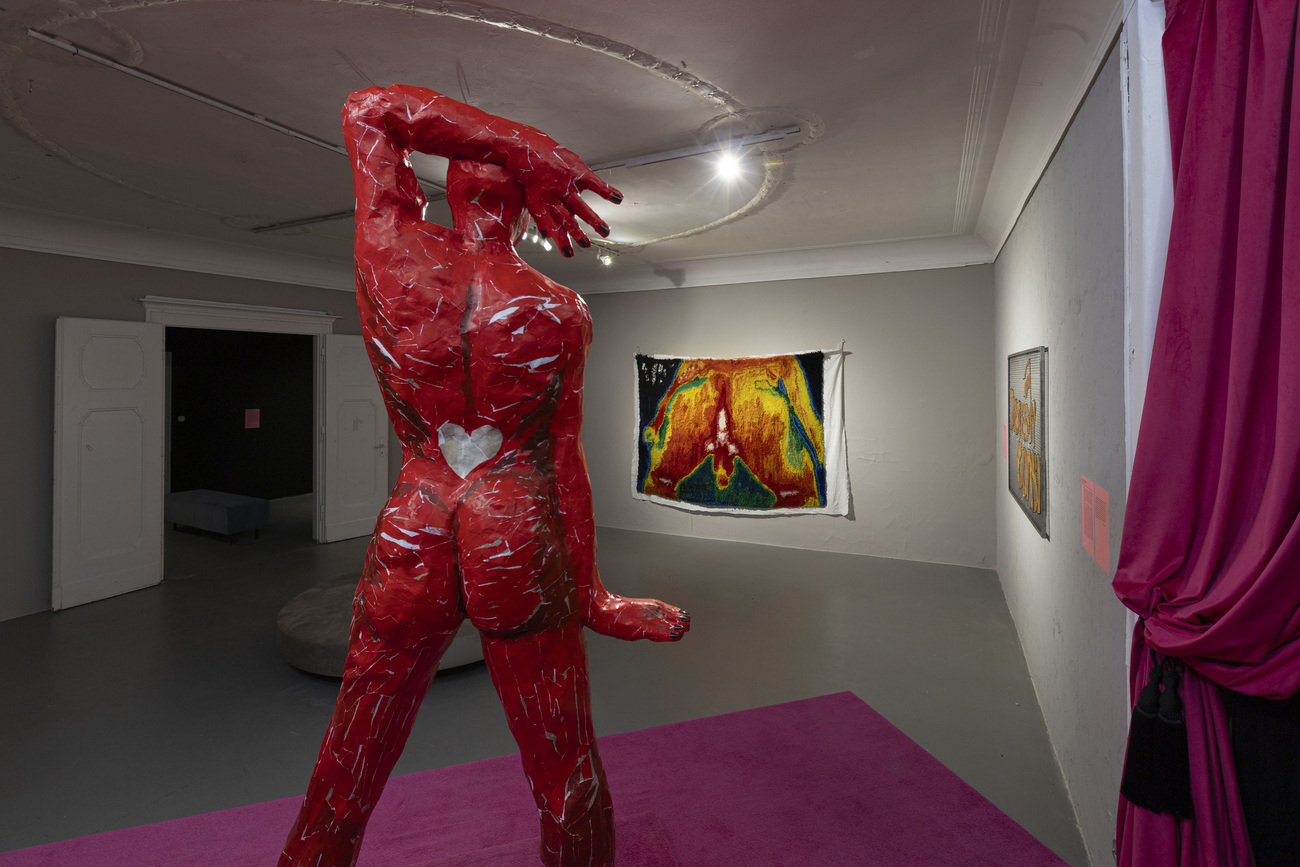
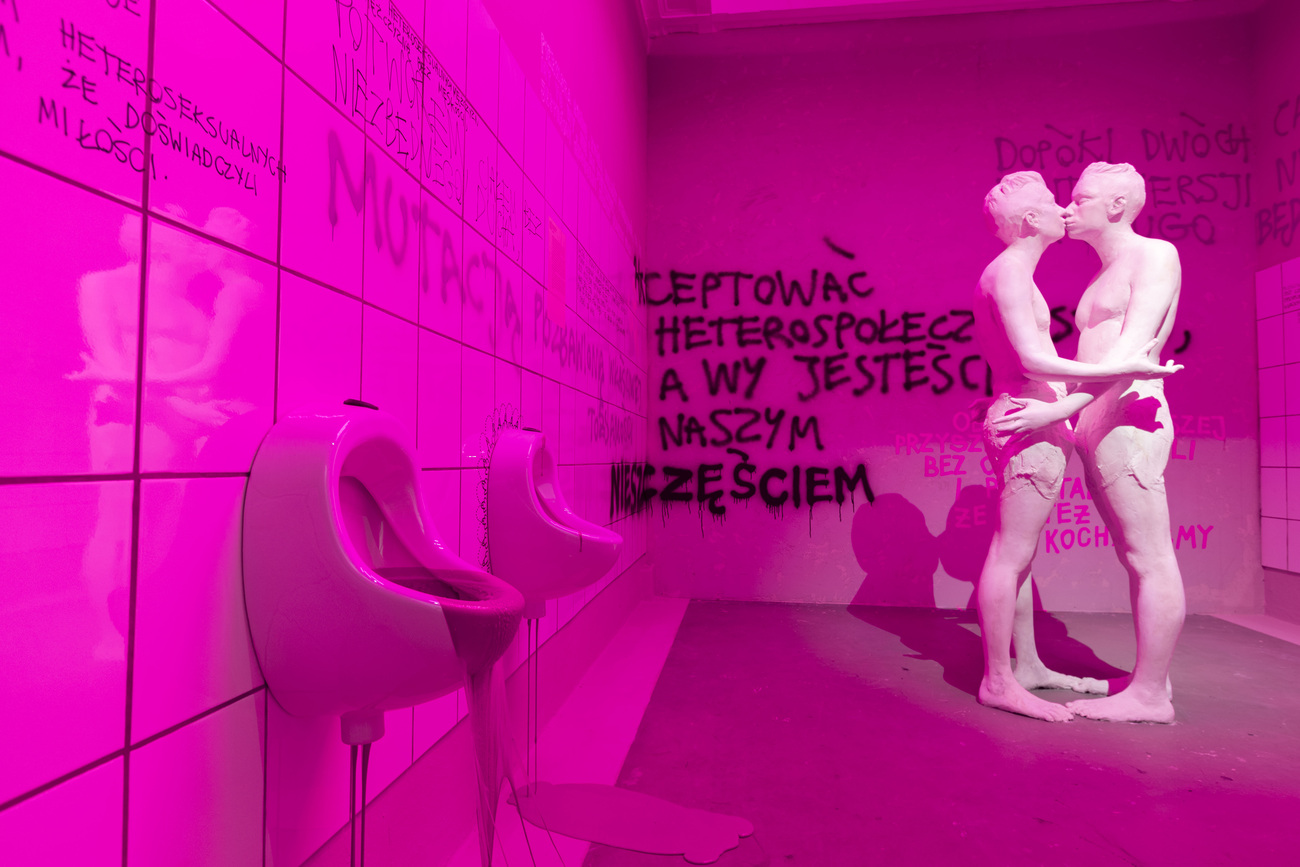
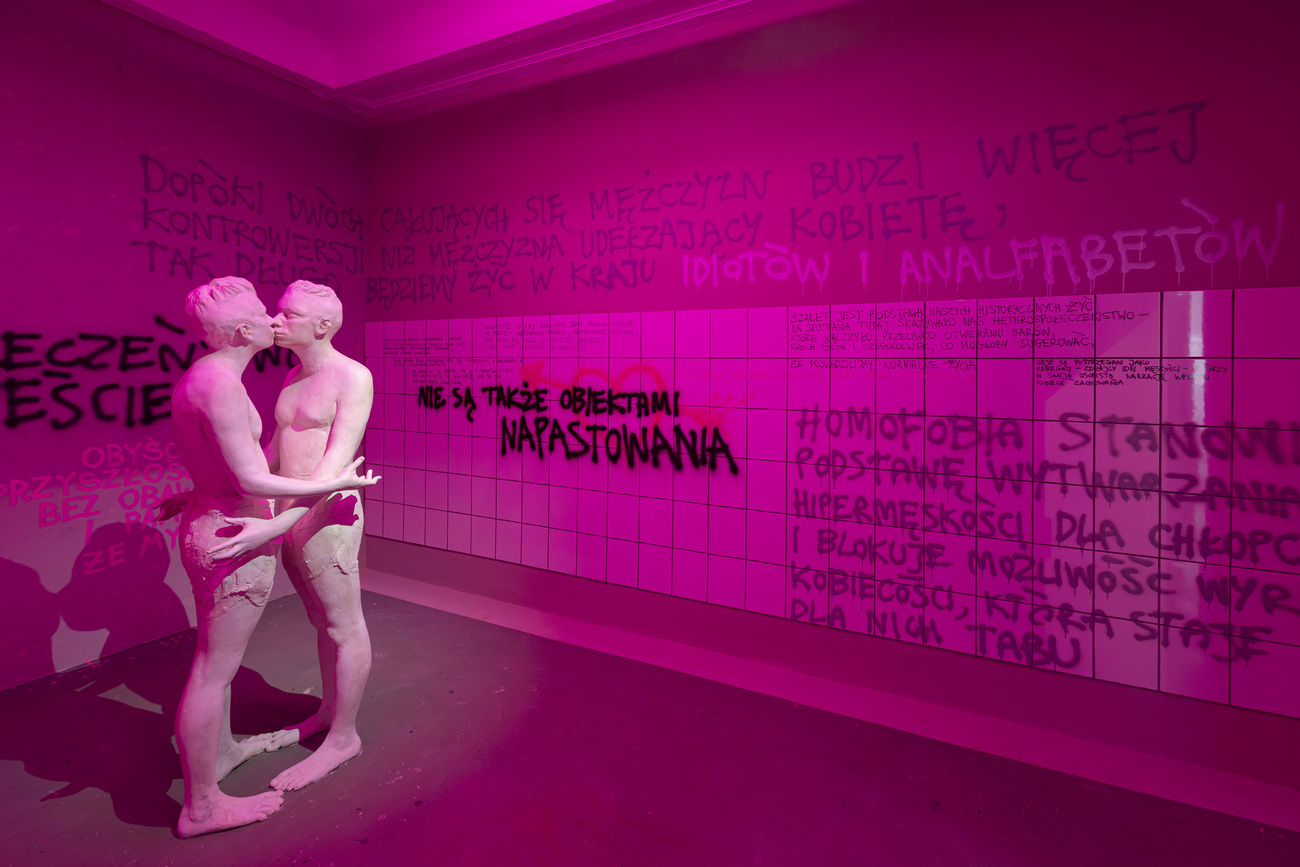
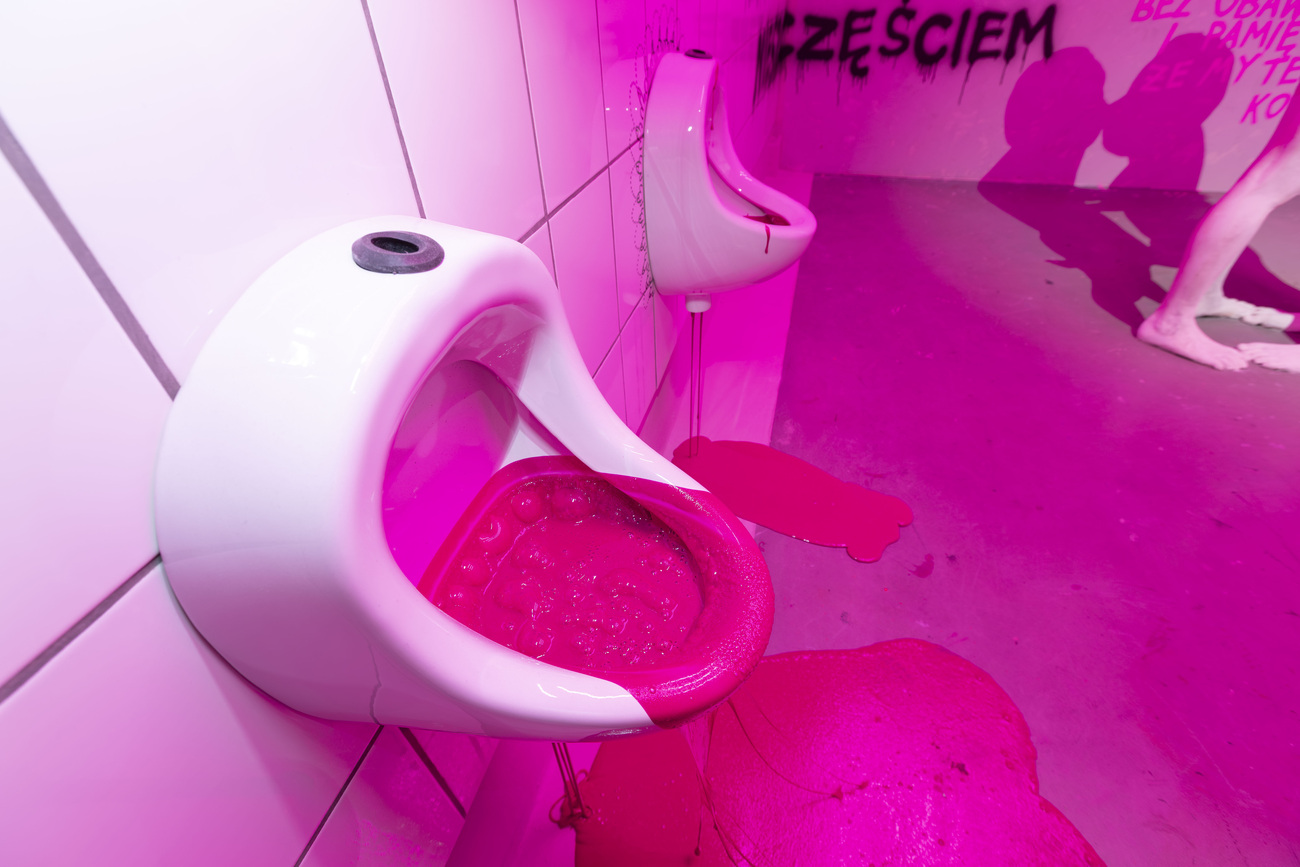
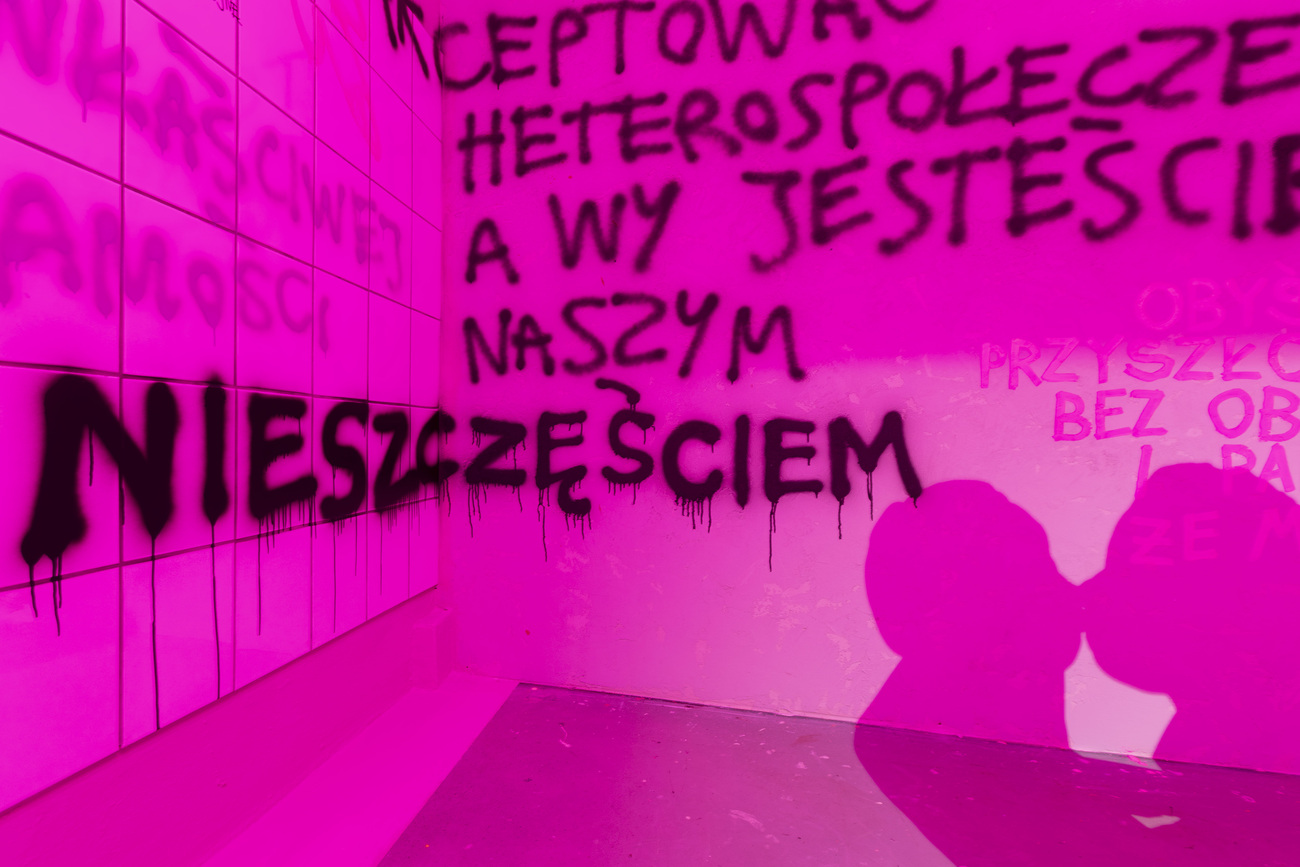
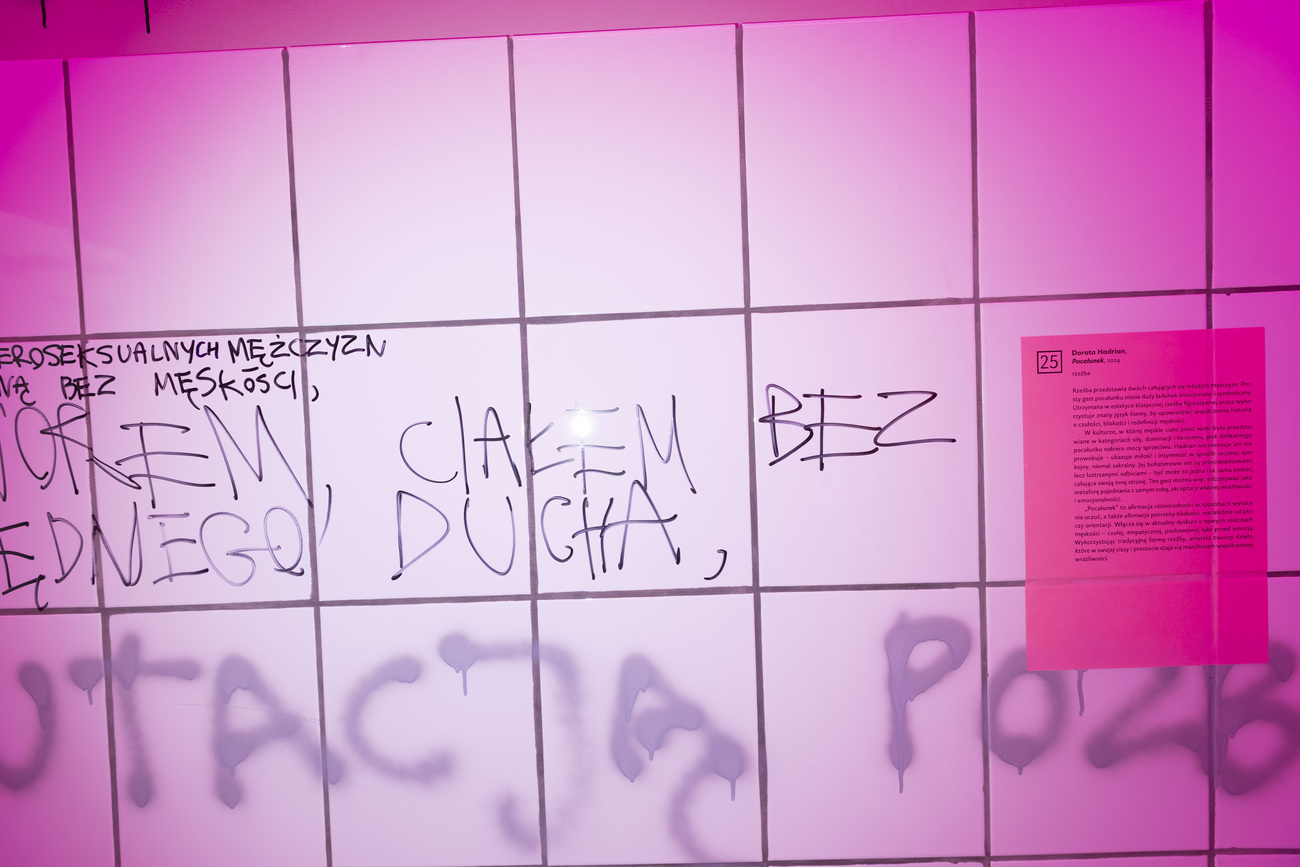
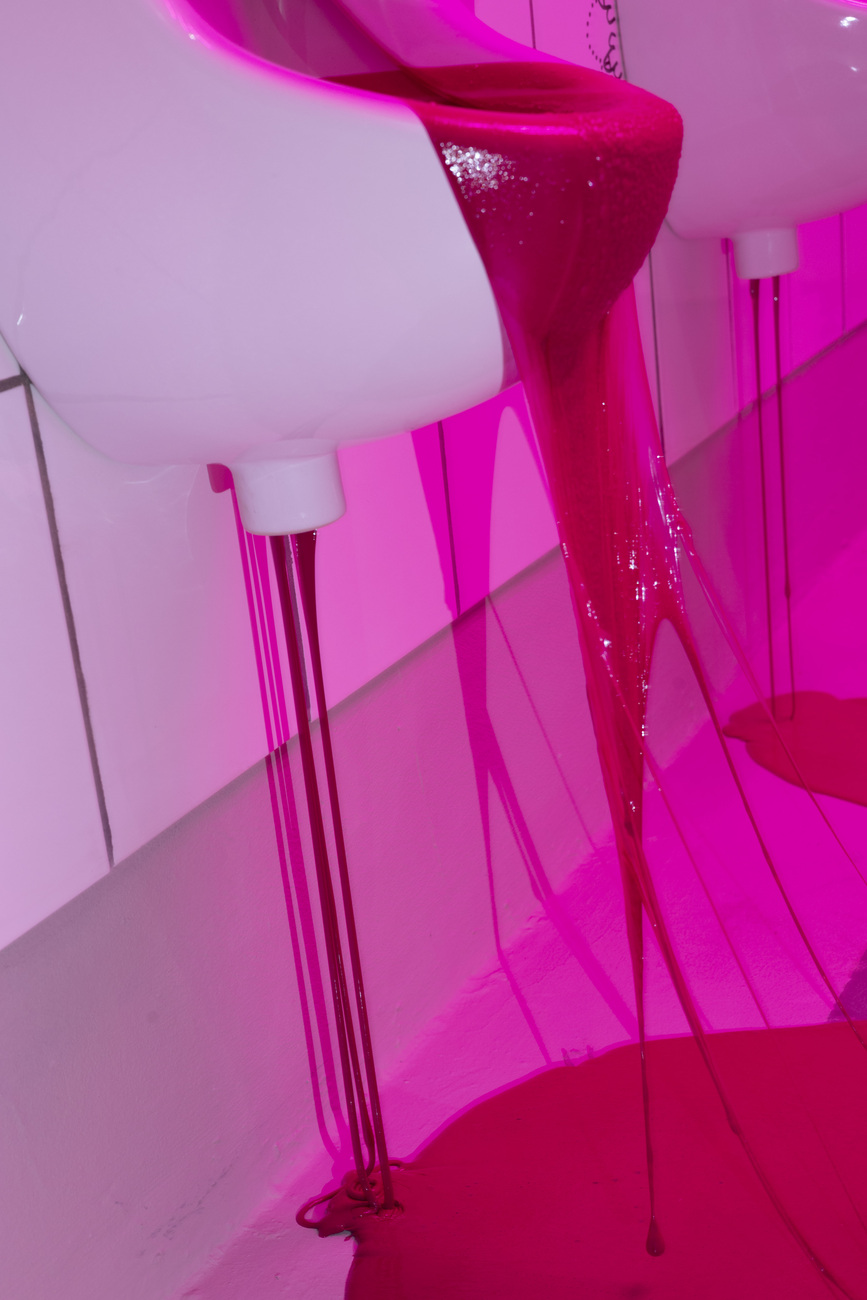
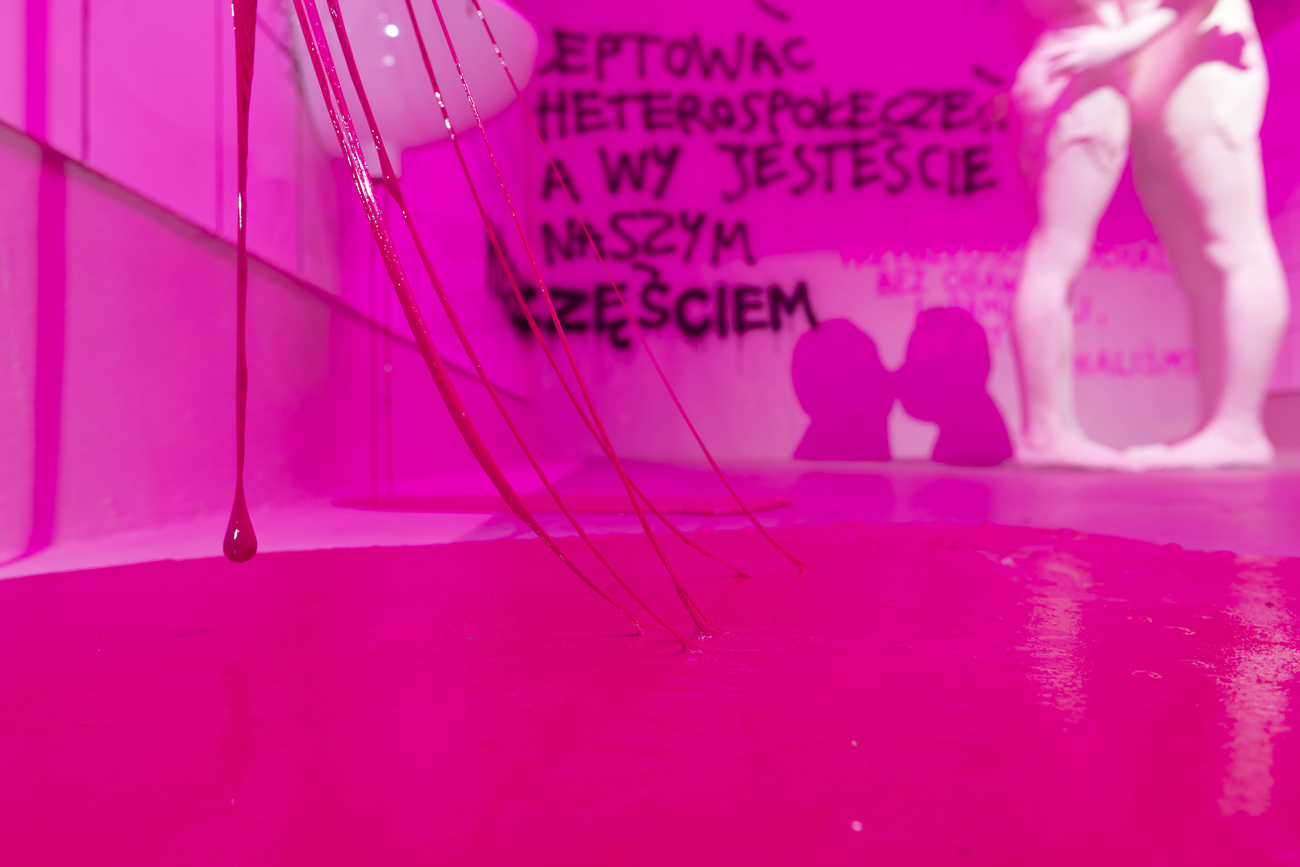
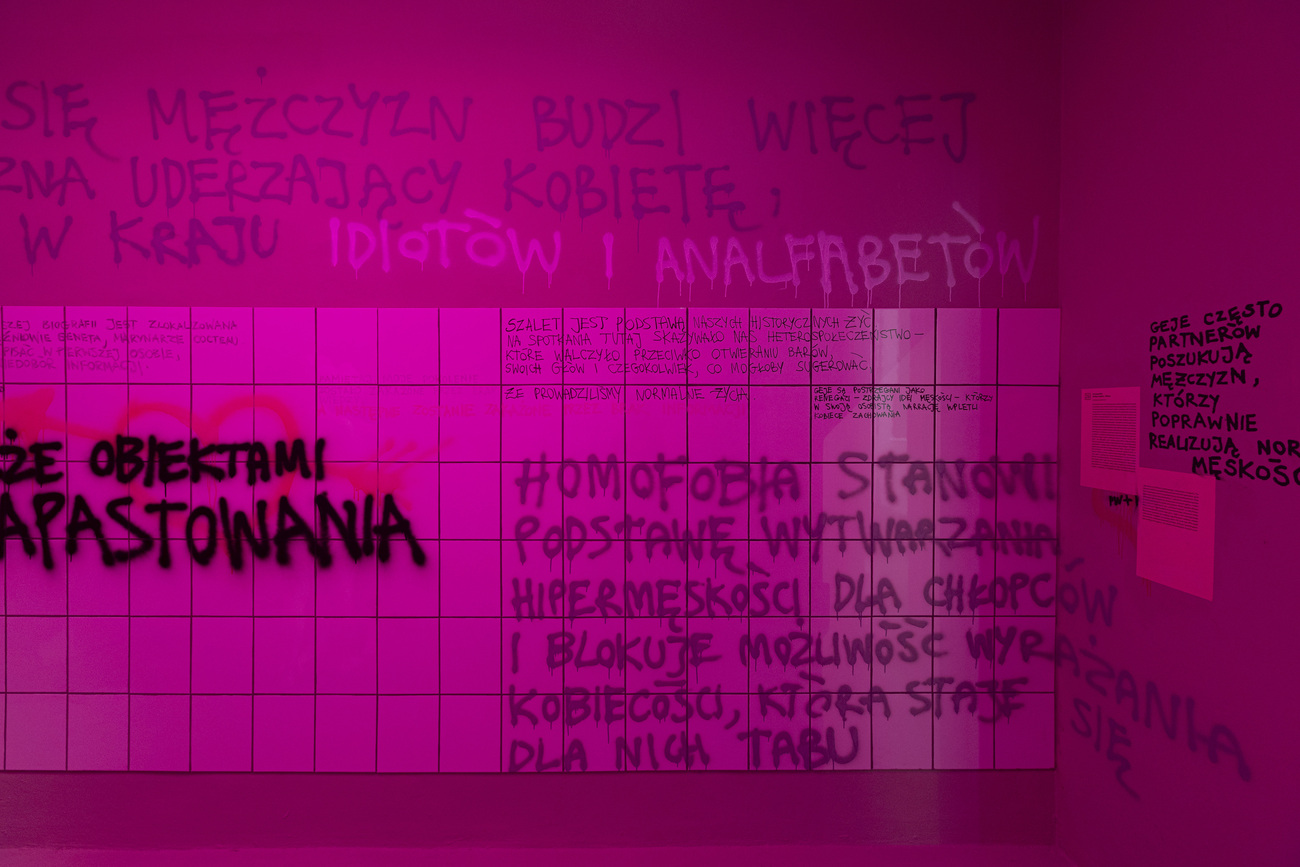
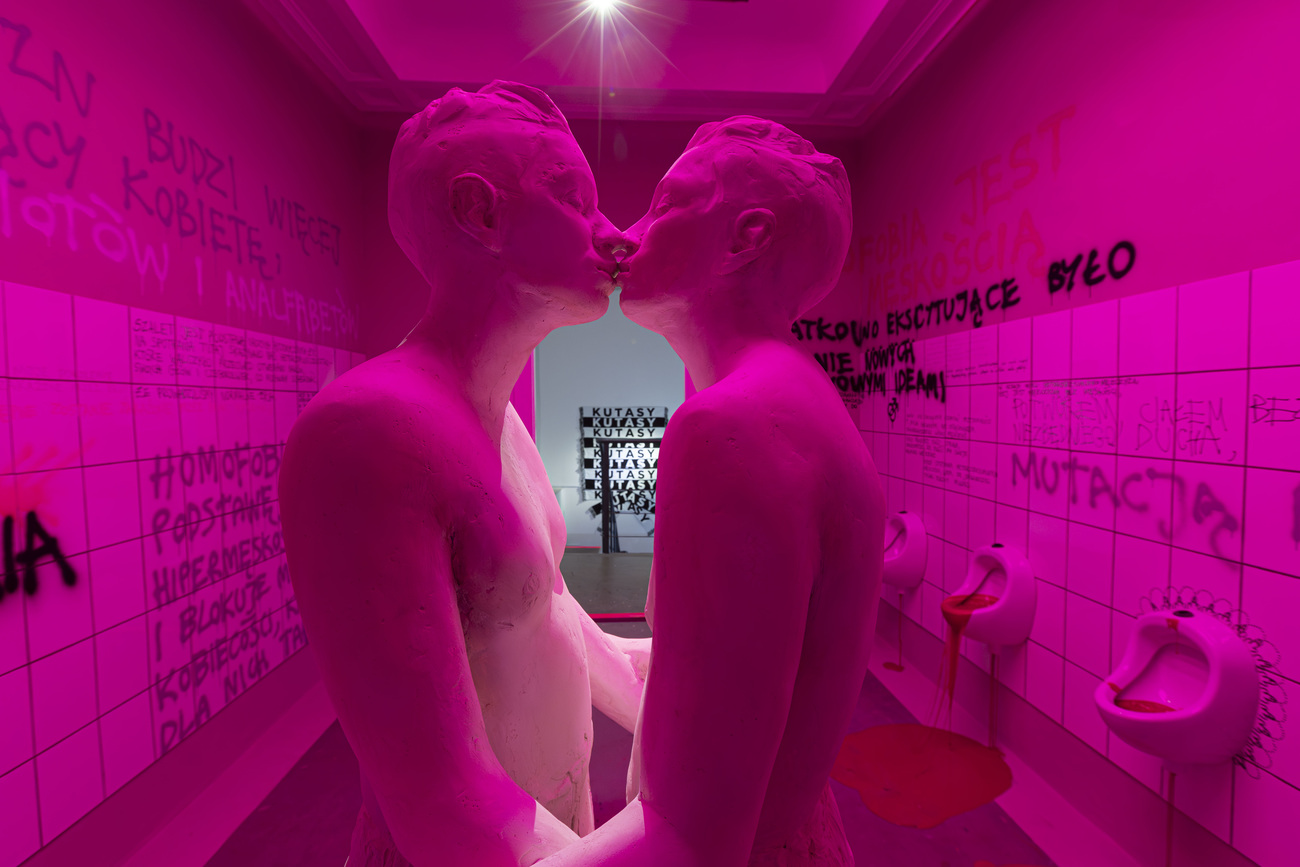
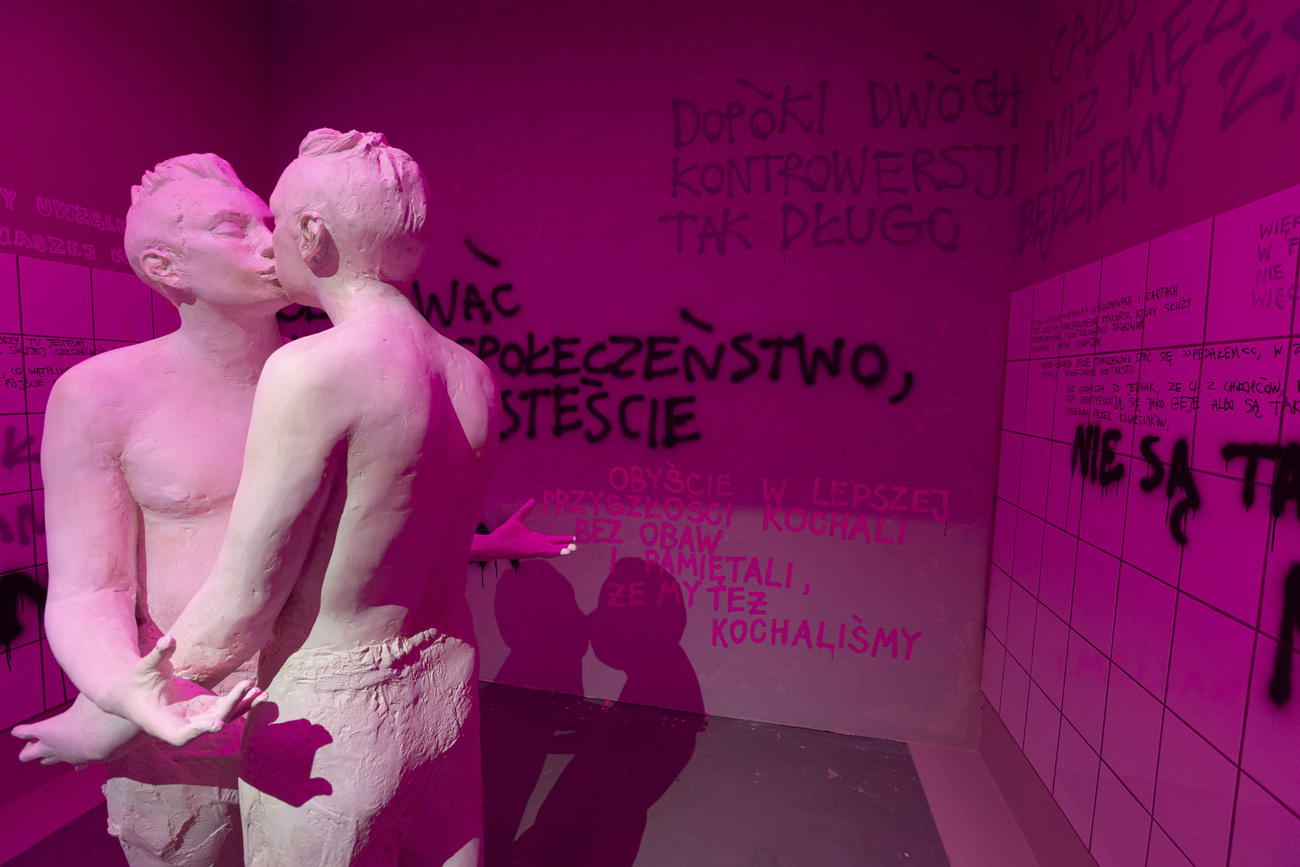
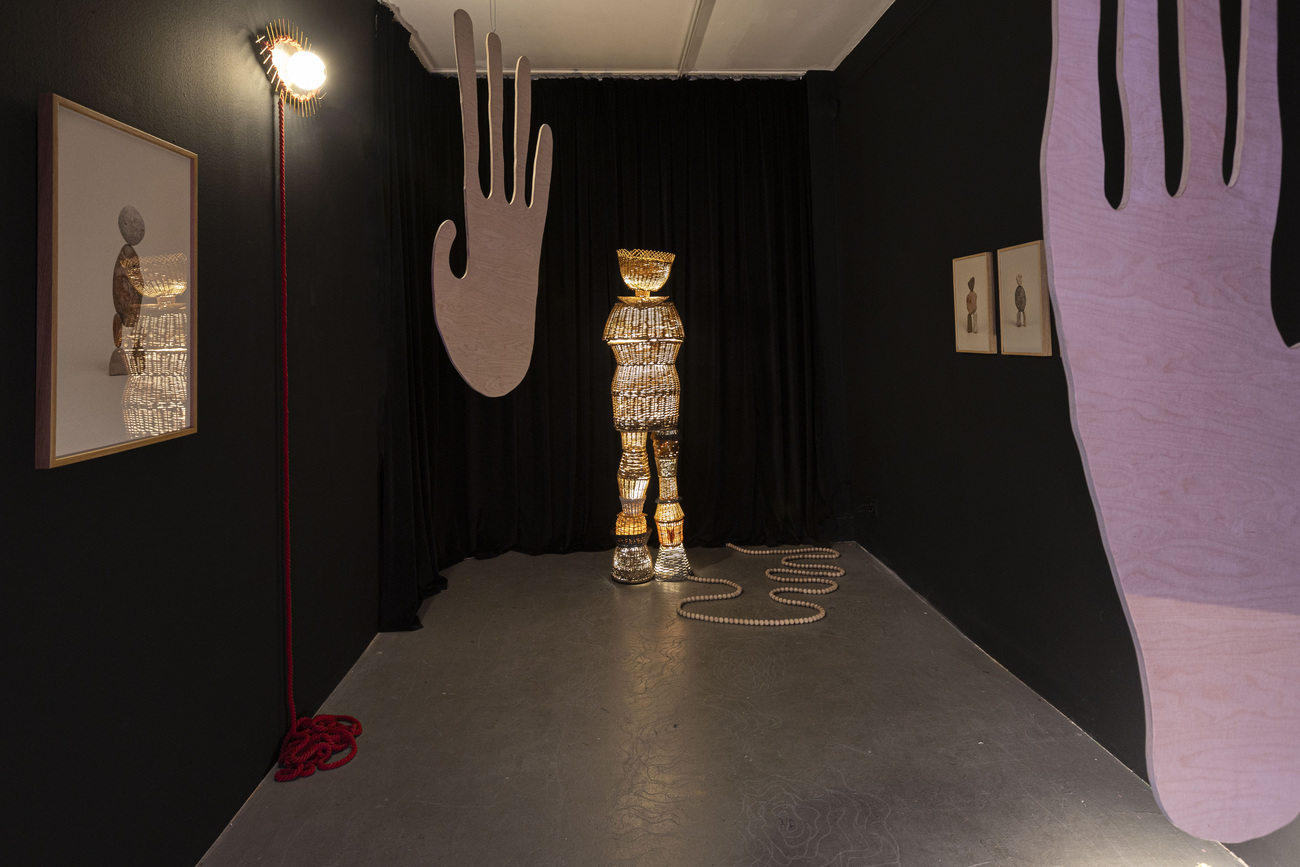
In the project “Daddies, kings & sissy boys,” together with artists, authors, and performers, we dig deep and break down patriarchal structures to raise awareness of how patterns internalized for generations cause harm regardless of identity. We analyze issues related to diverse masculinities primarily from a queer and feminist perspective, complementing the narrative with a positive model of tender masculinity, in which men are willing to confront their own privilege, as well as the social and health costs they incur as a result. Androcentric culture is armed with a full set of expectations and stereotypes about men, which become a source of frustration, internal contradictions, and peer pressure. This, in turn, has a direct impact on all of us. An attempt to break free from this web of dependencies is a shift towards what seems unusual: expressions free from conventions, countercultural masculinity, non-heteronormative and transgender identities, and gender performance.
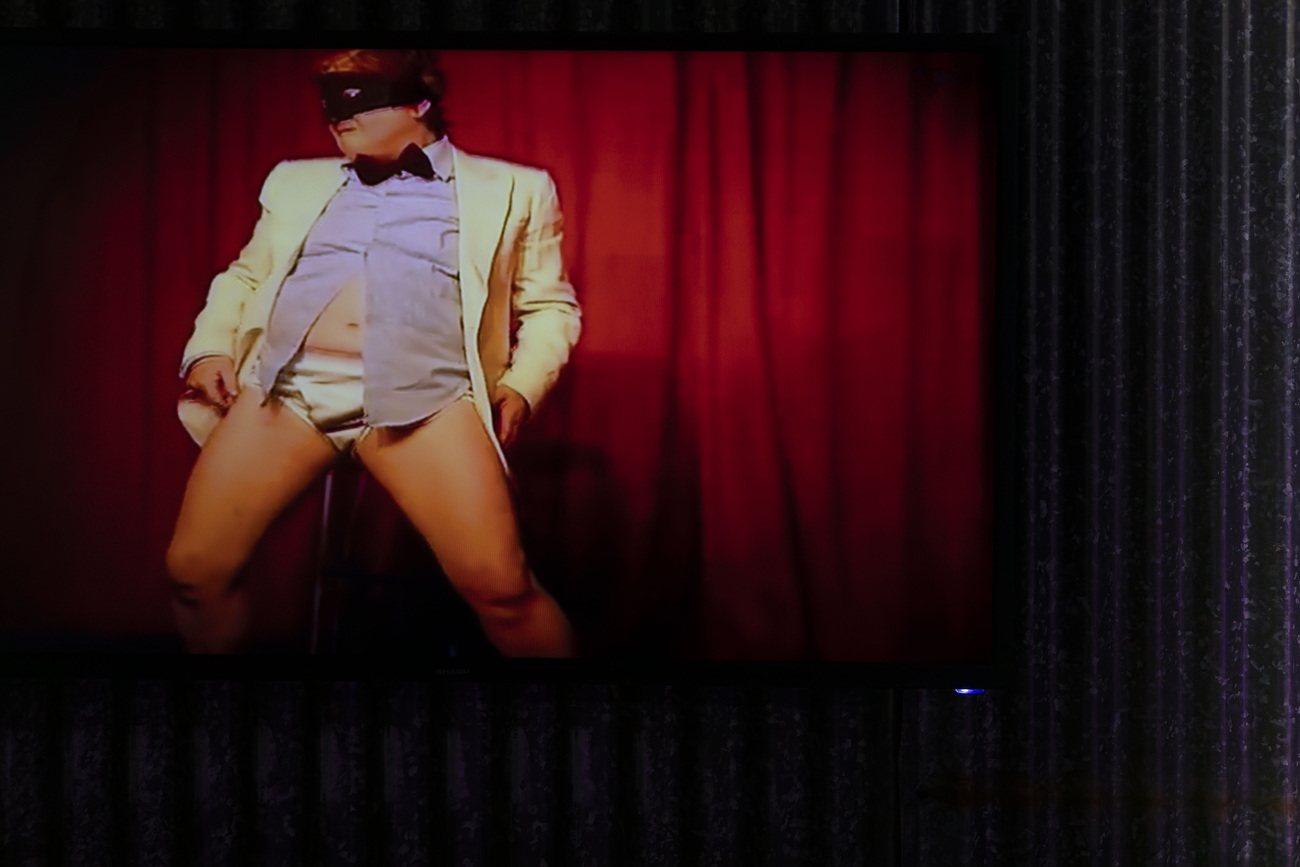
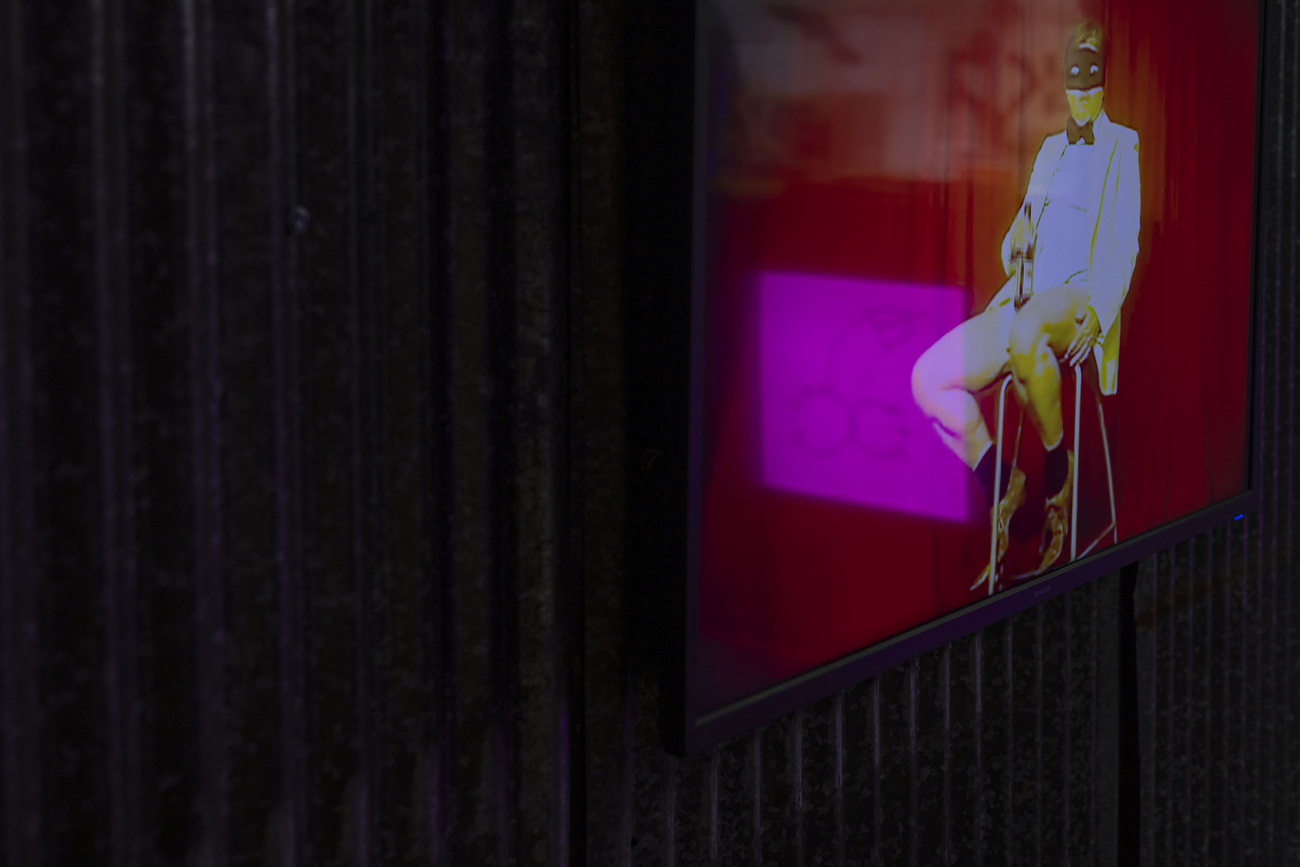
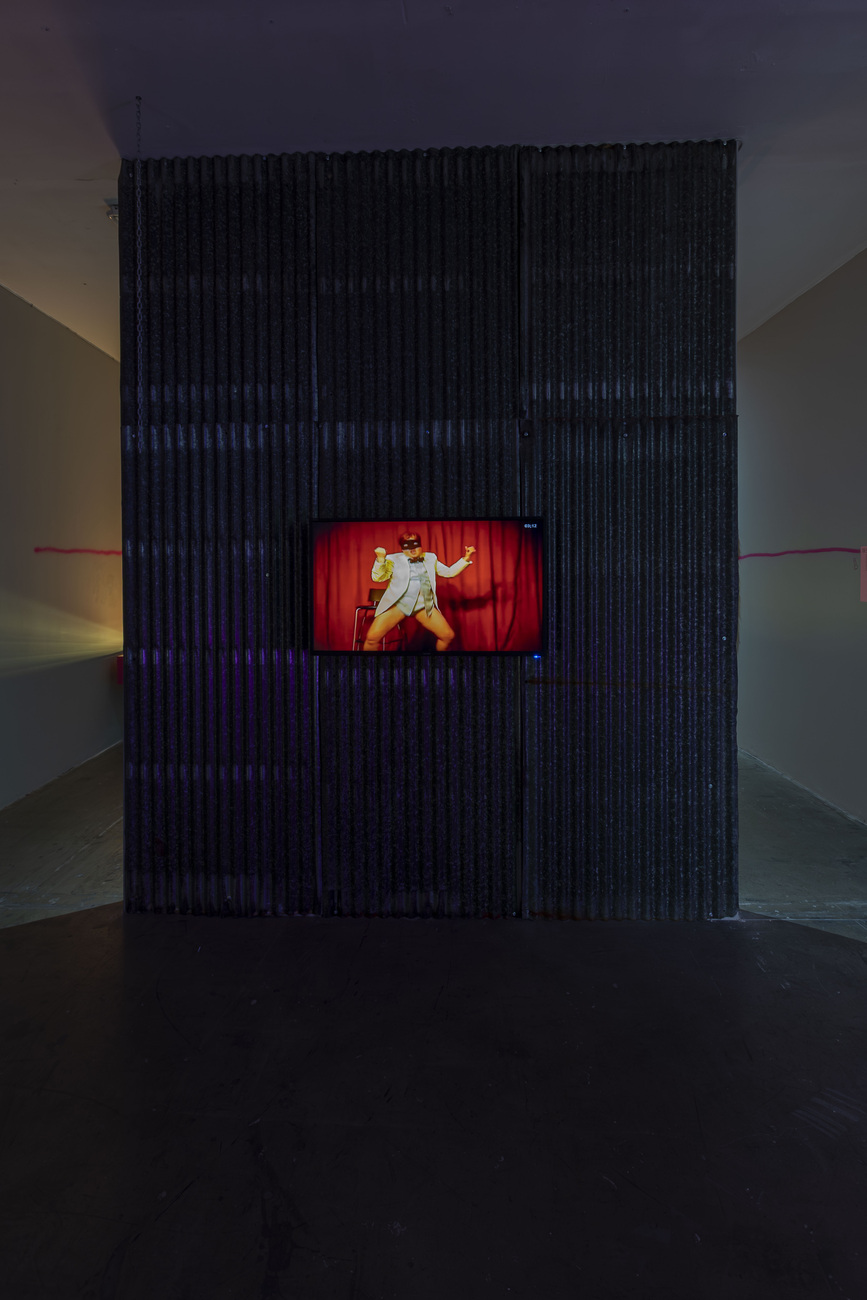
The guide for this journey through the exhibition is Diane Torr (1948–2017), a New York dancer, performer, and one of the pioneers of drag king, or the theatrical performance of masculinity. In her incarnations and performances, categories of masculinity were subjected to detailed vivisection based on many years of anthropological observations. Her masterful camouflage often served the artist to infiltrate male communities, including misogynistic ones, such as The American Society of Man, for which she gave a lecture dressed as a man.
The exhibition and performance program are suitable for adults only.
- Exhibition
- 15 November ‒ 30 December 2025
- opening: 15.11, from 7 to 9 pm
- curators: Katarzyna Kalina, Paweł Wątroba
- artists: Grupa Performatywna Chłopaki, Paweł Błęcki, Iwona Demko, Dorota Hadrian, Krzysztof Gil, Daniel Kotowski, Roman Łuszczki, Małgorzata Mycek, Oliwer Okręglicki, Joanna Ostrowska, Noah Munier, Piotr Syty, Sebastian Winkler, Marek Wodzisławski, Paweł Żukowski, Diane Torr, Liliana Zeic
- curatorial guided tours: 21.11, 28.11, 12.12, 19.12 from 5 to 6:30 pm
- performance program: "Drag king & boylesque show", 06.12, from 8 to 9:30 pm
- worshops: “Gender practices. What can we learn from Diane Torr?”, 11.12, 5:00 p.m. - 6:30 p.m.
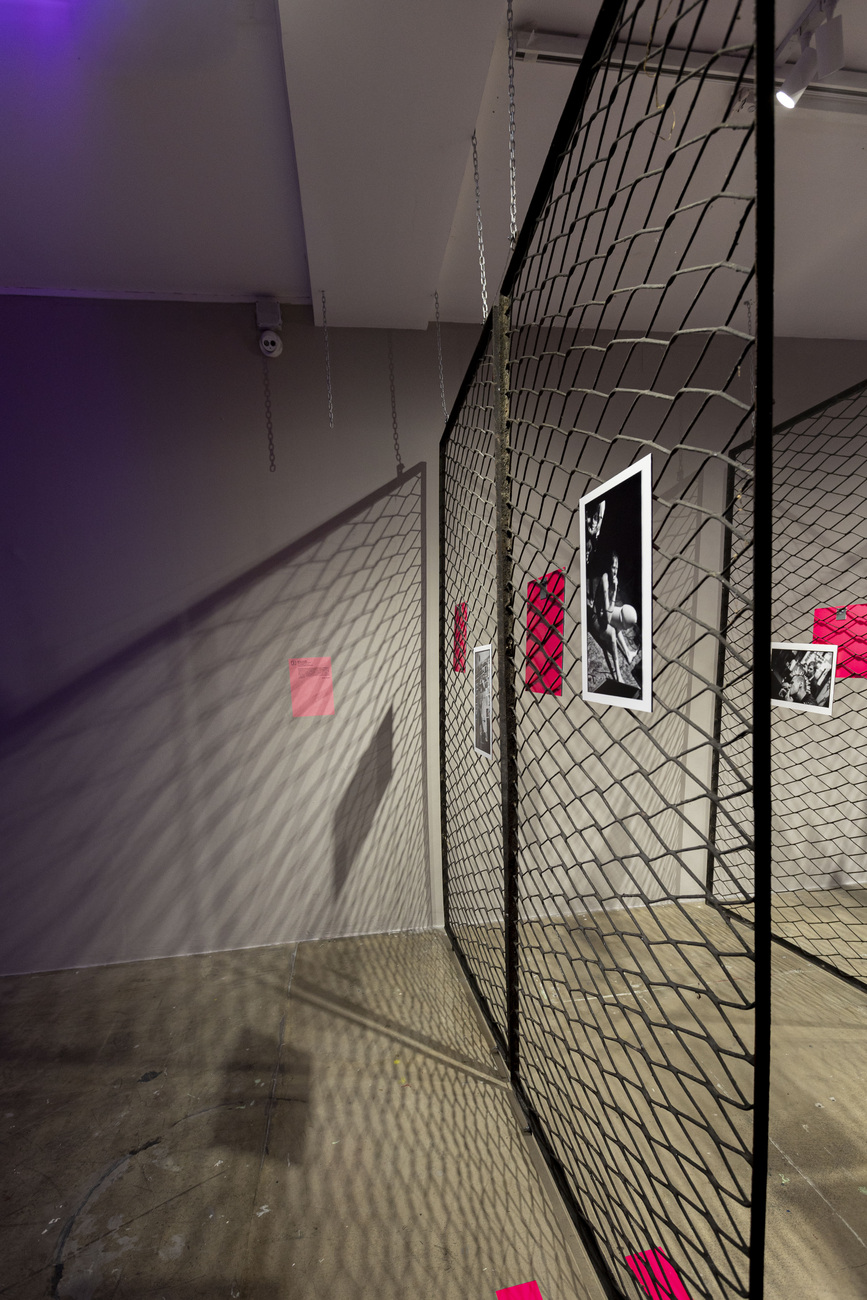
- scenography: Paweł Wątroba
- coordination: Agata Gomolińska-Senczenko
- visual identity: Marcin Wysocki
- promo: Iwona Sobczyk
- partnership: Akademia Sztuk Pięknych w Katowicach, Stowarzyszenie Społeczno-Kulturalne Miszung, Śląsk Przegięty
- media partners: Magazyn Szum, MINT Magazine, Notes na 6 tygodni, Radio Katowice, Magazyn Replika, Śląska Opinia, Ultrmaryna
- matronage: Kampania Przeciw Homofobii
- tickets: 3 PLN (reduced), 6 PLN (regular)
- exhibition guidebook: mapka z opisami